Treatment longevity is one of the most frequently asked questions at consultation, and the honest answer is that duration varies considerably depending on where the treatment product is placed, how much product is used, what the patient’s lifestyle looks like, and how many previous treatments they have had. The general “six to twelve months” figure that appears on most treatment pages is accurate as a broad range, but it does not tell the full story.
Understanding why some areas hold filler longer than others, what factors accelerate breakdown, and how to plan a realistic maintenance schedule will help you make more informed decisions about your treatment and get the most from your investment in injectable treatment results.
Why Treatment Longevity Varies: The Three Key Factors
Treatment Area
The single biggest influence on how long the treatment lasts is where it is placed. Different areas of the face have very different tissue environments, movement patterns, and vascular activity, all of which affect how quickly the body metabolises hyaluronic acid.
High-movement areas, particularly the lips, dissolve the treatment product more quickly than areas with relatively static tissue. Every time you speak, eat, drink, or smile, the lip tissue contracts and stretches repeatedly. This constant movement accelerates the breakdown of the hyaluronic acid matrix, which is why lip volumising treatment consistently falls at the shorter end of the duration range.
Static or low-movement areas like the cheeks, temples, and jawline experience far less mechanical activity. The tissue here is also denser and sits over a more stable structural base, which means the treatment product placed in these areas is disturbed less and integrated into the tissue in a more stable way.
Lifestyle and Individual Metabolism
How quickly your body processes hyaluronic acid is partly genetic and partly lifestyle-driven. Patients with a high metabolic rate, particularly those who train intensively and frequently, tend to break down the treatment product more quickly than those with a more sedentary lifestyle. This is because a higher metabolic rate accelerates the enzymatic activity that degrades hyaluronic acid as part of the body’s normal biological processes.
Factors that consistently appear to shorten treatment duration include high-intensity exercise performed very frequently, significant sun exposure without protection (UV degrades hyaluronic acid within the tissue), smoking, and high levels of physical or emotional stress. Conversely, patients who maintain good hydration, consistent sun protection, and a stable lifestyle tend to find their treatment maintenance appointments spread further apart over time.
Your Treatment History
First-time patients almost always find that their initial treatment does not last as long as subsequent ones. This is a well-recognised pattern in cosmetic treatment practice and is worth setting expectations around before the first appointment.
When the treatment product is introduced into a tissue for the first time, the body responds to it as a new substance and metabolises it at a slightly higher rate. With each subsequent treatment, the tissue develops a better integration with the product, and results tend to extend progressively. Patients who commit to a consistent maintenance schedule over two to three years often find their treatment results lasting noticeably longer than it did in their first year of treatment.
How Long Does a Lip Volumising Treatment Last?
For most patients, lip volumising treatment typically lasts between six and nine months at the first treatment, with subsequent treatments often extending to nine to twelve months as the tissue becomes more accustomed to holding the product.
The lips are the highest-movement area of the face, and this significantly accelerates breakdown. The tissue is also thinner and more vascular than cheek or jawline tissue, meaning the body’s clearance mechanisms work more actively in this area.
Many patients notice their lips beginning to soften around the six-month mark and choose to book a top-up before the product has fully dissolved. This approach, sometimes called a “top-up before empty” strategy, is generally more efficient than waiting until results have completely faded, as it requires less product to restore volume to tissue that still holds some baseline treatment product.
Treatment volume is typically measured in millilitres. For patients researching cosmetic treatment cost, it is worth understanding that the amount of product used should be guided by your anatomy and goals rather than a fixed volume, and your clinician at Victorian Laser and Skin Clinic will advise on the appropriate amount for your specific case. For current pricing, please enquire directly with the team at your complimentary consultation.
How Long Does a Cheek Volumising Treatment Last?
Cheek treatment duration is considerably longer than lip volumising treatment as a general rule, with most patients experiencing results that last between twelve and eighteen months. In some cases, particularly for patients who have had multiple treatments and maintain the product consistently, results can extend beyond this.
The cheek area benefits from being a relatively low-movement zone with dense subcutaneous tissue, which provides a stable environment for the product. Cheek volumising treatment also tends to integrate more deeply into the tissue than lip volumising treatment, which further slows its metabolic breakdown.
For patients with significant volume loss in the mid-face, cheek volumising treatment can produce a meaningful lifting effect across the lower face as well as directly in the treated area. This lifting effect tends to soften gradually as the product is metabolised rather than disappearing abruptly.
Other Areas: What to Expect
Nasolabial folds and marionette lines: These are moderate-movement areas and typically hold the treatment for nine to twelve months. Because these lines are caused by a combination of volume loss and muscle movement, results can vary more than in purely static areas.
Tear troughs: Duration in the tear trough area is variable, ranging from nine to eighteen months, partly because the skin here is exceptionally thin and the tissue environment differs from the rest of the mid-face. This area also requires a very precise technique and is assessed carefully at consultation.
Chin and jawline: These are relatively low-movement areas and many patients find jawline and chin treatment lasting twelve to eighteen months or longer, particularly after consistent treatment.
What Is Injectable Migration and Should You Be Concerned?
Injectable migration refers to the movement of product from its intended placement site into the surrounding tissue. It is most commonly associated with the lip area, where repeated movement and the natural anatomy of the vermillion border can, over time, contribute to product shifting slightly above or below the intended placement zone.
Migration is more common with older injection techniques and less so with modern approaches using fine cannulas and precise depth control. At Victorian Laser and Skin Clinic, all cosmetic volumising treatments are performed by our experienced nurses using current best-practice techniques that minimise this risk.
If migration does occur, it is usually subtle and correctable. Hyaluronidase, an enzyme that dissolves hyaluronic acid treatment product, can be used to address any irregularities. The takeaway for patients is that migration is a known consideration worth discussing at your consultation, but it is not a reason to avoid treatment when it is performed by a skilled and experienced practitioner.
Thinking About Starting or Refreshing Your Volumising Treatments?
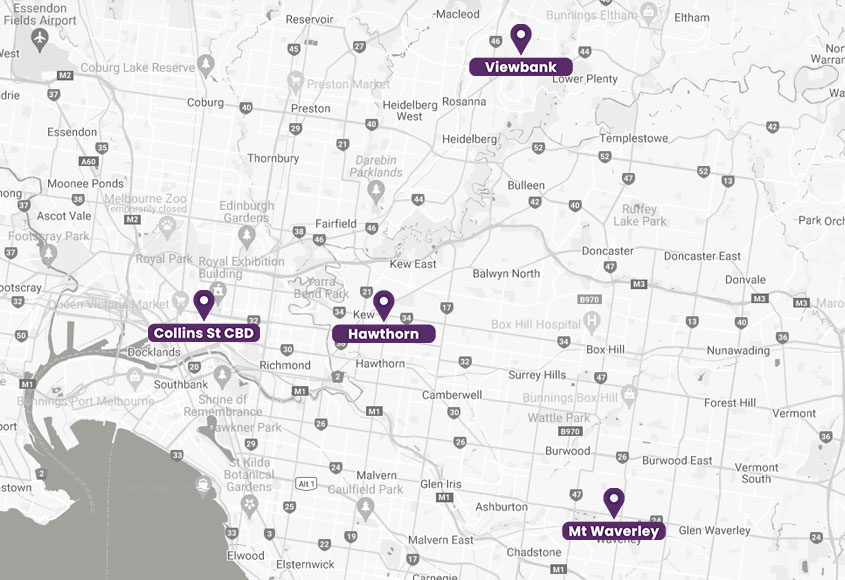
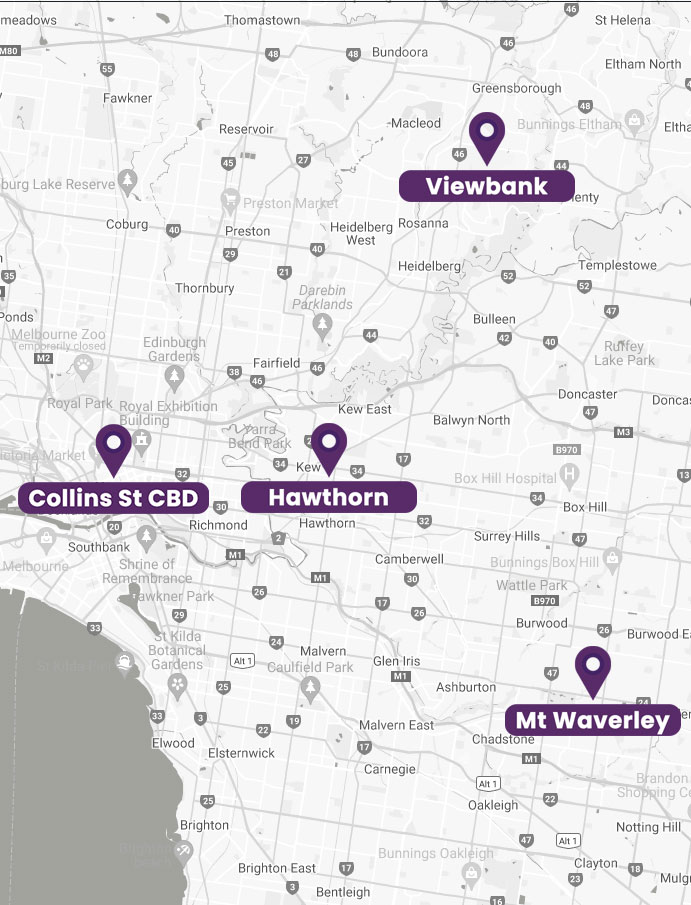
Book a complimentary consultation at Victorian Laser and Skin Clinic across our Melbourne CBD, Hawthorn, Mt Waverley, Viewbank, and Croydon locations. Our nurses will assess your anatomy, discuss your goals, and recommend a realistic treatment and maintenance plan.
View cosmetic volumising treatment details or explore our full range of cosmetic treatments to see what can be achieved alongside filler, including anti-wrinkle injections for a comprehensive approach to facial rejuvenation.
Planning Your Treatment Maintenance Schedule
One of the most useful things you can do after your first treatment is to plan a realistic maintenance schedule based on the area treated and what you have learned about how your body responds. Here is a practical guide for ongoing treatment maintenance:
Lips: Plan for a review appointment at the six-month mark. Depending on how much product remains and how your results have developed, your clinician will advise whether a full treatment or a smaller top-up is appropriate.
Cheeks: An annual or eighteen-monthly review is typically sufficient for most patients treating the cheek area. Your two-week post-treatment appointment will give your clinician a baseline to work from for future sessions.
Combining treatments: Many patients find that combining their treatment maintenance appointments with anti-wrinkle injections in a single visit is both time-efficient and clinically effective. The two treatments address complementary concerns and work well together as part of a broader facial maintenance programme. For patients also exploring jaw concerns, masseter injections can be incorporated into the same planning conversation.
How to Support Your Treatment Results at Home
While the product itself is doing the structural work, a few daily habits can meaningfully support how long your results last.
Broad-spectrum SPF 50+ sunscreen applied every morning is the most impactful single thing you can do. UV exposure degrades hyaluronic acid within the tissue and accelerates its breakdown over time. For patients who have invested in volumising treatments, consistent sun protection is not optional: it is a core part of maintaining your results.
Staying well hydrated also supports hyaluronic acid’s performance in the tissue, as HA’s primary mechanism is water-binding. Skin that is consistently hydrated provides a better environment for the product.
Avoiding very high-frequency, high-intensity exercise in the first two weeks following treatment and steering clear of alcohol, heat-intensive environments, and excessive sun in the immediate post-treatment period will also help the product settle optimally.
Frequently Asked Questions
How long does a lip volumising treatment last for a first-time patient?
For most first-time patients, lip volumising treatment typically lasts between six and nine months. This is shorter than subsequent treatments, as the tissue is responding to the product for the first time. With consistent maintenance over time, many patients find the duration extends to nine to twelve months or beyond.
Does cheek volumising treatment last longer than lip volumising treatment?
Yes, consistently. Cheek volumising treatment typically lasts twelve to eighteen months compared to the six to twelve months most patients experience with lip volumising treatment. The difference is primarily due to the lower movement and denser tissue environment of the mid-face compared to the highly active lip area.
What is the best way to make treatment results last longer?
Daily SPF 50+ sunscreen, good hydration, avoiding high-intensity exercise immediately post-treatment, and booking a top-up before the product has fully dissolved are the most reliable ways to extend your results and make your maintenance appointments more efficient over time.
Can injectable migration be reversed?
Yes. The hyaluronic acid treatment product, including product that has migrated from its original placement, can be dissolved using an enzyme called hyaluronidase. This is a straightforward procedure performed in clinic. It is one of the key advantages of hyaluronic acid-based treatments over permanent treatment products, as results can always be adjusted or reversed if needed.
Should I wait until my treatment product has completely dissolved before booking a top-up?
Not necessarily. Many clinicians recommend booking a review at around the six-month mark for lip volumising treatment and at twelve months for cheeks, rather than waiting until results have fully faded. Topping up while some product remains in the tissue is generally more efficient, requires less product, and helps maintain a more consistent result over time.
Ready to discuss a volumising treatment or maintenance plan suited to your goals? Book a complimentary consultation with the team at Victorian Laser and Skin Clinic across our Melbourne CBD, Hawthorn, Mt Waverley, Viewbank, and Croydon locations.