Microneedling for acne scars works by creating controlled micro-channels in the skin that stimulate the body’s natural collagen production process, gradually rebuilding the tissue architecture within and around scar depressions. It is one of the most clinically well-supported non-surgical options for improving the appearance of depressed acne scarring, and it works across all skin tones. Results depend on the type and depth of scarring, the number of sessions completed, and the consistency of aftercare, and understanding these variables before booking is the difference between realistic expectations and disappointment.
If you have been living with acne scarring and wondering whether microneedling is the right approach, this guide covers what the treatment can and cannot achieve, which scar types respond best, and why winter is the best possible time to start a course of treatment in Melbourne.
Not All Acne Scars Are the Same: Why This Matters for Treatment
Before assessing whether microneedling is right for you, it helps to understand what kind of scarring you are dealing with. Different scar types form through different mechanisms and respond to treatment in different ways.
Rolling scars create a wave-like, undulating texture across the skin. They form when fibrous bands beneath the skin’s surface tether the dermis downward, creating the characteristic rolling depression. These respond particularly well to microneedling because the needle channels break up the fibrous bands mechanically while simultaneously stimulating new collagen to fill the depression from within. Of all the depressed scar types, rolling scars typically show the most visible and consistent improvement across a treatment course.
Boxcar scars are wider, with sharper, more defined edges and a flat base. Superficial boxcar scars respond well to microneedling, though the degree of improvement depends on their depth. Deeper boxcar scars may show meaningful softening but are unlikely to fully resolve with microneedling alone.
Ice pick scars are narrow, deep, and puncture the skin like a spike. They are the most structurally challenging type to treat because their depth extends well into the dermis. Microneedling can contribute to gradual improvement in ice pick scars, but realistic expectations should be set carefully. These scars often respond better to a combined approach involving laser or other targeted interventions alongside a needling programme.
Understanding which category your scarring falls into allows your clinician to give you an honest picture of likely outcomes before you begin. A thorough assessment at your initial consultation at Victorian Laser and Skin Clinic is the first and most important step.
How Microneedling Stimulates Scar Remodelling
The mechanism behind microneedling’s effectiveness for acne scars goes beyond general skin rejuvenation. In scar tissue specifically, collagen has formed in a disorganised, cross-hatched pattern rather than the healthy, parallel fibres found in normal skin. This disorganised collagen is what creates the depressed, uneven surface that characterises atrophic scarring.
When microneedling introduces thousands of controlled micro-channels into the dermis, it triggers a precise wound-healing response. The body perceives these micro-injuries as damage requiring repair and initiates its natural collagen and elastin synthesis process. In the context of existing scar tissue, this new collagen is deposited in a more organised, structured manner, gradually improving the surface architecture of the scar.
With each session, the cumulative effect of this collagen remodelling becomes more visible. The scar indentation gradually shallows as new tissue fills the depression from the inside out. This is why results from microneedling for acne scars are progressive rather than immediate, and why completing a full course of treatment is essential rather than stopping after one or two sessions.
A systematic review published in Dermatologic Surgery, the official journal of the American Society for Dermatologic Surgery, analysed 33 peer-reviewed clinical studies on microneedling for acne scarring and found that every study included reported visible improvement in scar appearance following treatment. The review, authored by researchers at Boston Medical Center, also confirmed that microneedling carries a favourable safety profile across a range of skin tones, including medium and darker complexions where heat-based alternatives carry higher risk.
Realistic Expectations: What Microneedling Can and Cannot Do
Honest expectations are the foundation of a positive treatment experience. Here is a calibrated picture of what microneedling for acne scars can realistically deliver.
For mild, superficial scarring: Most patients with mild rolling scars or superficial surface texture irregularities see meaningful visible improvement within three to four sessions. The skin surface becomes smoother and more even, and under diffuse light the appearance of scarring is noticeably reduced.
For moderate scarring: A full course of six to eight sessions is typically required for moderate rolling and boxcar scars. Improvements are cumulative and continue to develop for several weeks after each session as collagen production progresses. Patients often notice the most significant visible change between their fourth and sixth sessions as the remodelling process gathers momentum.
For deeper or more complex scarring: Deep ice pick scars and severe atrophic scarring generally require a more comprehensive treatment strategy. Microneedling plays a valuable role in the programme, but additional modalities are likely to be recommended alongside it to achieve the best available outcome. Your clinician will discuss this at your consultation.
One important point worth emphasising: microneedling results are long-lasting but not permanent. The collagen your skin produces as a result of treatment is genuine new tissue, and it endures. However, the natural ageing process and ongoing environmental factors continue over time, so maintenance sessions are recommended after the initial course to sustain and build on results.
Why July is the Ideal Month to Start Treating Acne Scars
Starting a microneedling course in winter is not only practical, it is clinically advisable for patients treating acne scarring, and for a reason that goes beyond general post-treatment sun sensitivity.
Patients with a history of acne and acne-related scarring carry a heightened risk of post-inflammatory hyperpigmentation (PIH), which is the darkening of skin in response to inflammation or trauma. Microneedling, by its nature, introduces controlled inflammation into the skin. In patients prone to PIH, particularly those with medium to deeper skin tones, sun exposure during or after a treatment course can trigger new hyperpigmentation in the treated areas, which would undermine the very results being sought.
In Melbourne’s winter months, UV levels drop significantly, treated skin is naturally covered by winter clothing, and the risk of inadvertent sun exposure during the healing period between sessions is at its lowest. For patients with darker skin tones who are treating both scarring and associated hyperpigmentation, starting in July and completing the core course before spring offers the most controlled and lowest-risk treatment window available in the calendar year.
Book Your Complimentary Skin Analysis
If you are ready to find out whether microneedling is right for your acne scarring, our clinicians at Victorian Laser and Skin Clinic will assess your scar types, discuss realistic outcomes, and recommend a treatment plan tailored to your skin and goals.
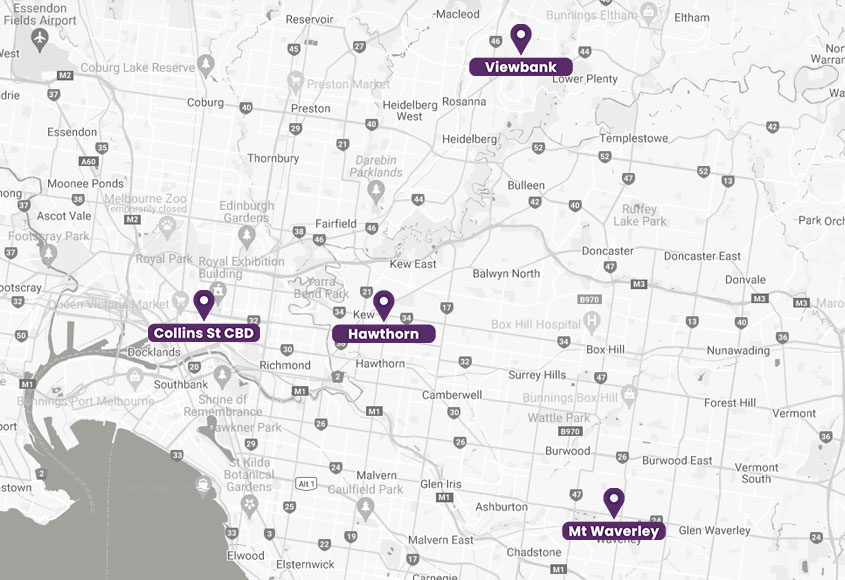
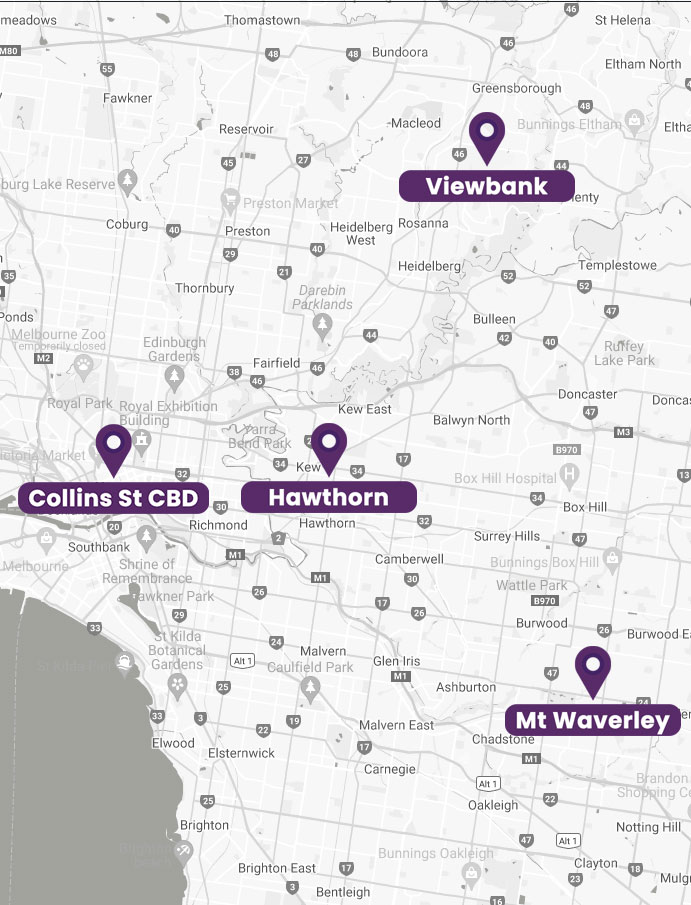
View skin needling details and pricing and book your complimentary skin analysis at our Melbourne CBD, Hawthorn, Mt Waverley, Viewbank, or Croydon locations.
When a Combined Approach Delivers Better Results
For many patients, microneedling works best as part of a broader skin programme rather than as a standalone treatment. The approach depends on what your scarring looks like and what other concerns are present alongside it.
Microneedling and Cosmelan: Many patients with acne scarring also carry post-inflammatory hyperpigmentation, which appears as flat, brown or reddish marks on the skin surface. These are not true scars, but they sit alongside scarring and often cause as much concern. Where both conditions are present, combining a course of Cosmelan depigmentation treatment with microneedling addresses the pigmentation and the textural scarring simultaneously. Your clinician will advise on sequencing and timing to ensure the two programmes complement one another.
Microneedling and microdermabrasion: Microdermabrasion works at the very surface of the skin, addressing texture, congestion, and mild surface discolouration. In patients with both surface-level texture irregularities and deeper scarring, microdermabrasion between needling sessions can help maintain surface clarity and enhance product absorption while the collagen remodelling work continues at a deeper level. The two treatments should not be performed on the same day but work well as a sequenced programme across the treatment course.
Microneedling and PicoSure: Where resistant pigmented scarring has not responded to topical programmes, PicoSure laser treatment targets the melanin within the pigmented scar tissue with precision, complementing the structural improvement being achieved through microneedling. For complex presentations involving both texture and pigment, this combination can produce a more comprehensive result than either treatment would achieve independently.
To explore which combination approach is appropriate for your skin, a full skin assessment at Victorian Laser and Skin Clinic will map out the options and build a plan that sequences each element appropriately.
Is Microneedling Right for You?
Microneedling for acne scarring is suitable for most adults with stable, non-active scarring across all skin tones. Treatment is most appropriate when:
- Active acne has been well controlled and the skin is clear at the time of treatment
- Scarring is atrophic (depressed) rather than raised (hypertrophic or keloid)
- The patient has realistic expectations about gradual, cumulative improvement
- A course of multiple sessions can be committed to rather than a single one-off treatment
Treatment is not recommended during pregnancy or breastfeeding, within two weeks of certain other skin treatments, or when there is active inflammation or infection in the treatment area. For a full overview of the skin needling journey, including what to look for in general skin candidates and how the treatment addresses a broader range of concerns, read our guide to the benefits of skin needling.
Frequently Asked Questions
Can microneedling completely remove acne scars?
For most scar types, microneedling produces significant and visible improvement rather than complete removal. Rolling and superficial boxcar scars respond best and may become very difficult to detect after a full course. Deeper ice pick scars can be improved but are unlikely to resolve fully with microneedling alone. A clinical assessment will give you a realistic picture of what your specific scarring can achieve.
How long does it take to see results from microneedling for acne scars?
Initial improvement in skin texture is often visible within the first few weeks of starting a course. More significant improvement in scar appearance typically develops from around the third or fourth session onwards, as the collagen remodelling process accumulates. The skin continues to respond and improve for several weeks after each session, so the full benefit is ongoing rather than immediate.
Is microneedling safe for darker skin tones?
Yes. Microneedling with a professional medical-grade device is safe across all skin tones, including medium to darker complexions that may not be suitable for certain heat-based laser treatments. Because it does not use heat or light energy, the risk of thermal damage or heat-triggered pigmentation changes is not a concern. The main consideration for darker skin tones is managing post-inflammatory hyperpigmentation risk with appropriate sun protection and, where relevant, a supporting depigmentation programme.
Can I have microneedling if I still have active acne?
Microneedling should not be performed on actively inflamed or infected skin. If you have ongoing breakouts, the recommended approach is to bring the active acne under control first before beginning a scarring treatment programme. Your clinician will assess your skin at the initial consultation and advise on the right starting point. For information on managing active acne concerns, visit our acne skin concerns page.
How does microneedling compare to laser for acne scars?
Both microneedling and laser treatments can improve acne scarring, but they work differently and suit different skin types and scar presentations. Microneedling is suitable for all skin tones and involves no heat or light energy, making it a lower-risk option for patients with darker complexions or those prone to post-inflammatory hyperpigmentation. Laser treatments can produce faster results for certain scar types and pigmented concerns, but require more careful skin tone assessment before proceeding. For some patients, a combined programme using both modalities delivers the most comprehensive outcome. Your clinician will advise on the most appropriate approach for your specific scarring.
Ready to start? Book a complimentary skin analysis with the team at Victorian Laser and Skin Clinic at our Melbourne CBD, Hawthorn, Mt Waverley, Viewbank, and Croydon locations, and take the first step towards clearer, smoother skin this winter.