Frown lines, forehead lines, and crow’s feet are three of the most common concerns raised at cosmetic consultations. They are also among the most frequently misunderstood in terms of what causes them, why they become permanent over time, and what the process of assessing them actually involves. Before attending any consultation, understanding the biology behind these lines gives you a clearer basis for asking the right questions and making a confident decision about any next steps.
What Causes Frown Lines, Forehead Lines and Crow’s Feet?
These three types of lines share a common origin: they are all driven by the repeated movement of specific facial muscles over many years. The muscles involved, however, are different for each area, which is why the lines develop in characteristic patterns.
Frown lines form between the eyebrows in a vertical or diagonal pattern. The muscles responsible are the corrugator supercilii, which draw the eyebrows inward and downward, and the procerus, which pulls the skin of the nose bridge upward. Every time you concentrate, squint, or express concern or frustration, these muscles contract. Over decades, the skin above them creases repeatedly in the same place, and the line becomes increasingly visible even at rest.
Forehead lines are horizontal creases across the forehead. They are created by the frontalis muscle, which is the broad, flat muscle that covers much of the forehead and is responsible for raising the eyebrows. Because the frontalis is used constantly during conversation, when expressing surprise, when concentrating, and when compensating for any drooping of the brow area, it is one of the most frequently contracted muscles of the face. The creases it creates accumulate steadily across adulthood.
Crow’s feet are the fine lines that radiate outward from the outer corners of the eyes. They are caused by the orbicularis oculi, the ring-shaped muscle that encircles the eye and is responsible for closing the eyelid, squinting, and smiling. The skin in this area is the thinnest on the face, which means it shows the effects of repeated movement earlier and more visibly than other areas. Crow’s feet are also significantly accelerated by sun exposure and squinting in bright light, making consistent sun protection particularly relevant in this zone.
Dynamic Wrinkles vs Static Wrinkles: What’s the Difference?
Understanding the difference between dynamic and static wrinkles helps explain why these lines change in character over time.
Dynamic wrinkles are those that appear when the muscle contracts and disappear, or become much less visible, when the face is at rest. In the early stages of line formation, most frown lines, forehead lines, and crow’s feet are primarily dynamic. They are visible during expression but not at rest. This is the phase during which the skin is still recovering its position fully between muscle contractions.
Static wrinkles are lines that are visible even when the face is completely relaxed and no muscle movement is occurring. They develop as the cumulative effect of years of dynamic movement, combined with the gradual decline in collagen, elastin, and hyaluronic acid that occurs with age. As the skin’s structural support weakens, it loses its ability to fully smooth back to its resting position after each contraction. The crease becomes etched into the resting state of the face.
Most people in their thirties begin to notice the transition from dynamic to static in at least one of these three areas. The rate of this transition varies significantly depending on genetics, sun exposure history, skin care habits, and lifestyle factors such as smoking and stress.
Skincare and Lifestyle Habits That Support Skin Elasticity
Not all line formation is inevitable or rapid. Several evidence-based skincare habits and lifestyle choices meaningfully influence the rate at which dynamic lines become static and the overall quality of the skin in these areas.
Daily broad-spectrum SPF is the single most effective skincare intervention for slowing visible skin ageing. UV radiation degrades collagen and elastin directly, accelerates the formation of static wrinkles, and causes photodamage that makes the skin appear older than it is. An SPF 50+ applied every morning to the face, including the eye area and forehead, protects these vulnerable zones from ongoing daily damage.
Retinoids are the most extensively studied topical ingredients for supporting collagen synthesis and accelerating skin cell turnover. Over-the-counter retinol formulations and prescription-strength retinoids both have a meaningful evidence base for reducing the visibility of fine lines with consistent use. They are most effective when introduced gradually and always accompanied by daily SPF.
Antioxidants including vitamin C, vitamin E, and niacinamide protect the skin from environmental stressors that contribute to collagen degradation. A well-formulated vitamin C serum applied in the morning before SPF provides an additional layer of protection against the UV and pollution-related damage that accumulates over time.
Adequate sleep and stress management influence cortisol levels, which in turn affect collagen production and the rate of skin cell renewal. While these are harder to quantify than topical interventions, their cumulative contribution to skin quality is clinically recognised.
Avoiding smoking is relevant to this area of the face in particular. Smoking accelerates skin ageing through multiple mechanisms, including impaired circulation, reduced collagen synthesis, and the repeated muscle contractions of the pursed lip position, which contribute directly to lines around the mouth and in the perioral area.
Thinking About a Consultation?
At Victorian Laser and Skin Clinic, consultations are complimentary and without obligation. Whether you are in the early stages of noticing these lines or have been considering a conversation with a practitioner for some time, our team will take the time to properly assess your skin and discuss your concerns honestly.
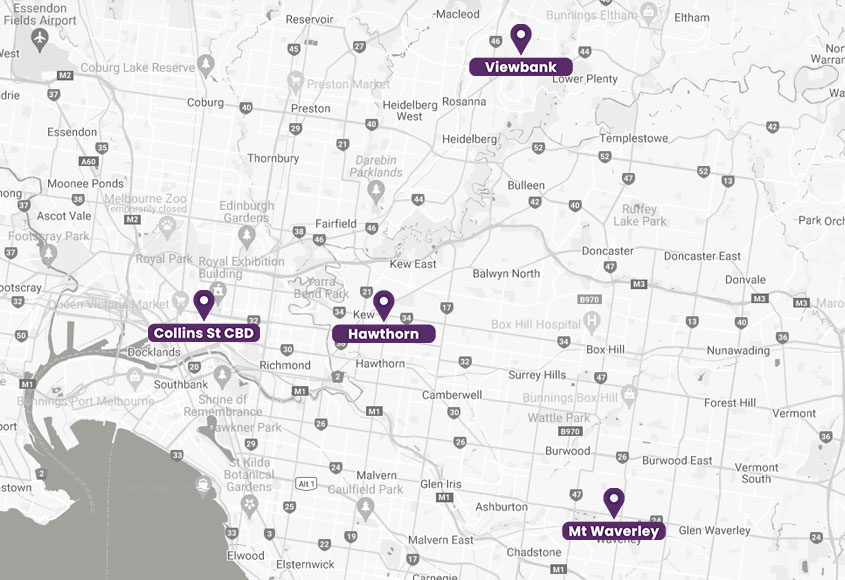
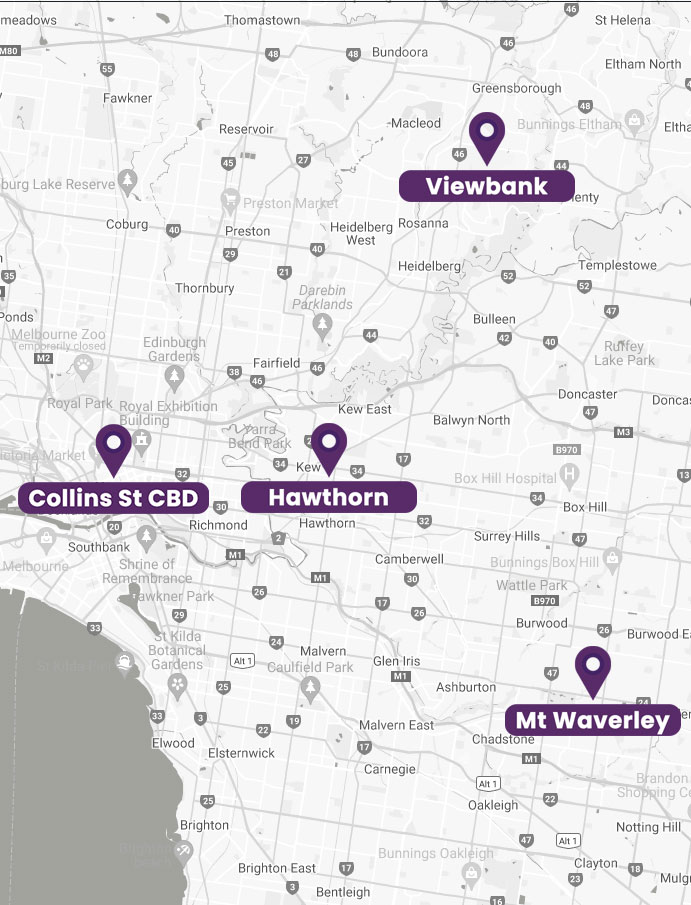
Book a complimentary consultation at one of our Melbourne CBD, Hawthorn, Mt Waverley, Viewbank, or Croydon locations.
When These Lines Become Worth Discussing With a Practitioner
For many people, the decision to attend a cosmetic consultation is driven not by the severity of the lines themselves but by the point at which they have become a consistent source of self-consciousness, or when the lines communicate an expression that does not match how the person actually feels. Persistent frown lines at rest, for example, can convey tiredness or irritability even when neither is present. Crow’s feet that are visible in photographs can make someone feel older than they are.
There is no clinical threshold for when a consultation is appropriate. It is a personal decision based on how the lines affect you, not on how they appear to others. A consultation is simply an informed conversation, and attending one does not commit you to any course of action.
If you have been considering this conversation and want to understand what is causing what you are seeing before making any decisions, that is a good reason to attend.
What a Consultation at VicLaser Covers
A consultation at Victorian Laser and Skin Clinic begins with a full assessment of the areas of concern. Your practitioner will observe your facial movement and resting expression, assess the degree to which lines are present dynamically versus at rest, and examine the overall structure and quality of the skin in the relevant areas.
They will ask about your skin history, including any previous treatments, your current skincare routine, and any relevant medical information. This is not a formality. It is the basis on which any clinical assessment is made and ensures that any recommendations are appropriate for your individual circumstances.
You will have the opportunity to explain specifically what concerns you and what outcome, if any, you are hoping to understand better. A practitioner who listens carefully at this stage and answers your questions directly before discussing any treatment options is a practitioner you can trust.
No treatment will be recommended without your full understanding of what it involves, what results are realistic, and what alternatives exist, including the option of no treatment at all.
Questions to Ask Before Choosing Any Treatment
Going to a consultation with specific questions prepared makes the conversation more productive and ensures you leave with the information you need to make a confident decision.
What is actually happening in this area of my face?
Ask for an explanation of the anatomy driving the lines you are concerned about. Understanding the cause helps you evaluate whether a proposed solution is addressing the right problem.
What is my skin doing right now, and what would it look like in five years without intervention?
A good practitioner can give you a realistic projection based on your current presentation and known patterns of skin ageing in this area.
What are all of my options?
Including skincare-only approaches, clinical options, and the option of taking no action. You are entitled to a complete picture before making any decision.
What are the realistic outcomes of any proposed treatment, and what are the limitations?
Honest practitioners do not promise specific outcomes. They describe likely outcomes based on experience and individual anatomy, and they tell you clearly what a treatment cannot achieve.
What happens at a follow-up appointment?
Understanding the post-treatment process, including review appointments and any ongoing maintenance, is part of knowing what you are committing to if you proceed.
Who will be performing the treatment, and what are their qualifications?
At Victorian Laser and Skin Clinic, all cosmetic treatments are carried out by AHPRA-registered practitioners. You are entitled to ask about qualifications and experience before agreeing to any procedure.
The purpose of a consultation is to give you accurate information, not to persuade you of a particular course of action. A consultation at Victorian Laser and Skin Clinic is always complimentary and always conducted without pressure. Book yours today at any of our five Melbourne locations.