Broken capillaries on the face are one of the most common skin concerns treated at Victorian Laser and Skin Clinic, and they are also one of the most poorly understood. Many people assume they are caused by something they have done wrong, or that they will fade on their own over time. Neither is true. Broken capillaries do not self-resolve, and they form through a combination of genetic predisposition, cumulative environmental exposure, and in some cases an underlying skin condition called rosacea. The good news is that vascular laser treatment can clear them effectively and produce results that are immediately visible.
This guide explains what causes broken capillaries to form, which skin types are most at risk, how vascular laser treatment works and how it compares to IPL, and what you can do to manage facial redness and prevent new vessels from forming over time.
What Causes Broken Capillaries and Facial Redness?
The term “broken capillary” is slightly misleading. The capillary itself does not break. What actually happens is that the walls of tiny blood vessels beneath the skin’s surface weaken and dilate, allowing blood to pool visibly through the skin. This pooling appears as fine red or pink lines, spider-like patterns, or diffuse patches of redness, most commonly on the nose, cheeks, and chin.
Several factors contribute to this process, and for most people it is a combination of more than one.
Genetics and skin type are the most significant underlying risk factor. Fair-skinned individuals, particularly those of Celtic, Northern European, or Scandinavian heritage, have naturally thinner skin with less melanin to absorb and deflect UV radiation. This thinner tissue offers less structural protection to the capillary walls beneath it, making vessels more prone to dilation and visible pooling. If broken capillaries run in your family, your likelihood of developing them is meaningfully higher regardless of how carefully you manage other triggers.
UV exposure is the most common environmental trigger and the most preventable. Cumulative sun damage over years weakens the collagen and elastin that support the structure of capillary walls. As this structural support degrades, vessels become more fragile and more prone to dilation. In Melbourne, where UV levels are high for most of the year and significant UV exposure can occur even on overcast days, sun protection is one of the most important factors in slowing the development of new broken capillaries.
Temperature extremes repeatedly stress the capillary walls through rapid contraction and dilation cycles. Prolonged exposure to very hot showers, steam rooms, saunas, or open fires, followed by exposure to cold air, forces blood vessels to expand and contract quickly and repeatedly. Over time, this repeated mechanical stress weakens the vessel walls and contributes to the characteristic dilation seen in broken capillaries. Cold Melbourne winters combined with central heating environments create exactly this pattern for many patients.
Rosacea is a chronic inflammatory skin condition that significantly accelerates the development of broken capillaries and facial redness. In patients with rosacea, the blood vessels of the face are inherently more reactive and prone to flushing and dilation. Persistent or recurring episodes of facial redness, combined with sensitivity and a tendency to flush easily in response to food, alcohol, heat, or stress, are characteristic signs that rosacea may be contributing to broken capillary formation.
Lifestyle factors including regular alcohol consumption, frequent intake of very hot or spicy food and drinks, and high-impact aerobic exercise that causes significant facial flushing can each contribute to broken capillary formation in people who already have a genetic predisposition. These are not the cause in isolation, but they accelerate the process in susceptible skin.
Can Broken Capillaries Be Removed Permanently?
This is one of the most frequently asked questions at consultation, and it deserves a clear and honest answer.
The capillaries that are treated with vascular laser do not return. Once a vessel is treated, it is broken down and absorbed by the body’s natural waste removal processes. The vessel itself is gone.
However, vascular laser treatment does not prevent new broken capillaries from forming in the future. If the underlying predisposing factors, whether genetic, lifestyle, or rosacea-related, continue to apply, new vessels can develop over time. Many patients find that a course of vascular laser treatment, followed by consistent sun protection and trigger management, produces results that last for years. Others with more reactive skin or active rosacea return for occasional maintenance sessions when new vessels appear.
The distinction is worth understanding before beginning treatment: vascular laser clears existing visible vessels with precision, and the cleared vessels are gone permanently. Long-term skin clarity requires ongoing management of the factors that predispose new vessels to form.
How Vascular Laser Treatment Works
Vascular laser treatment works by delivering a specific wavelength of laser energy that is selectively absorbed by the haemoglobin in blood vessels. Because the laser targets haemoglobin rather than the surrounding tissue, it can destroy the vessel while leaving the skin above it undamaged.
The absorbed energy converts to heat within the vessel, causing the vessel walls to collapse and the capillary to break down. The body then removes the treated vessel through its normal waste processing systems over the weeks following treatment. Some vessels respond immediately, disappearing during the treatment session itself. Others fade progressively over two to four weeks as the absorption process takes place.
For full treatment details, the pre-treatment preparation requirements, post-treatment care, and session pricing by area, visit our vascular laser removal page.
Ready to Address Broken Capillaries or Facial Redness?
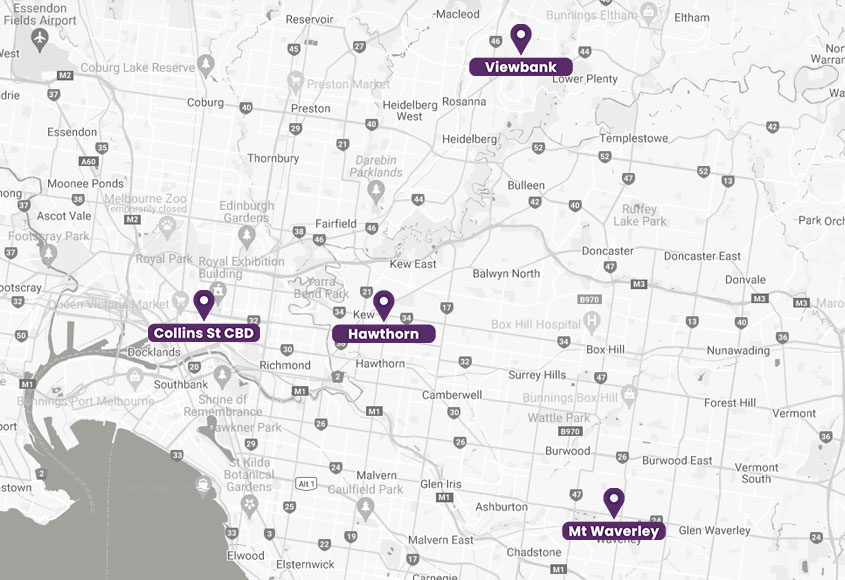
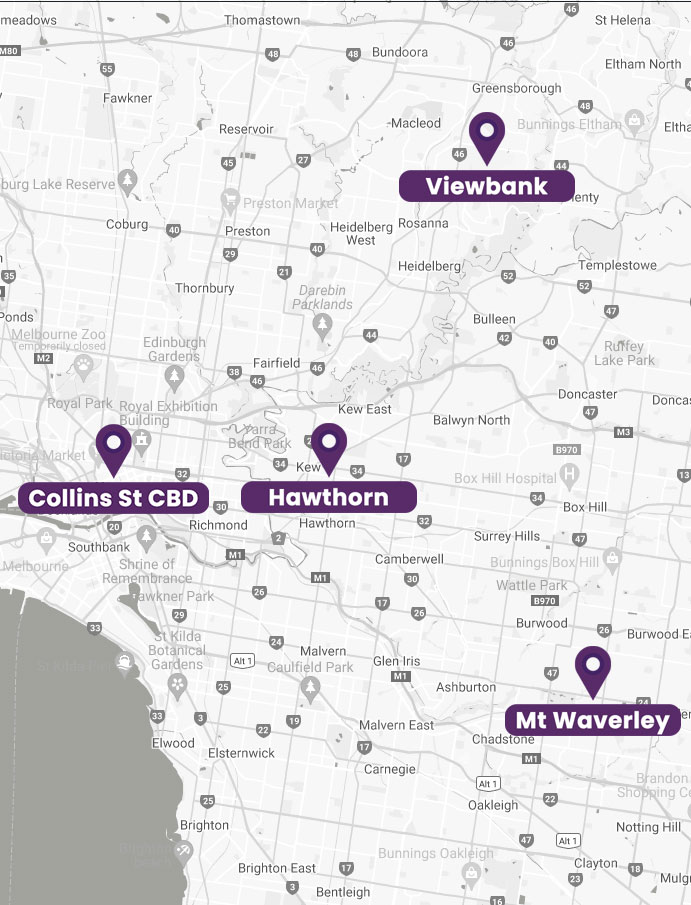
Book a complimentary skin analysis at Victorian Laser and Skin Clinic across our Melbourne CBD, Hawthorn, Mt Waverley, Viewbank, and Croydon locations. Our therapists will assess the pattern and severity of your broken capillaries, determine whether rosacea is a contributing factor, and recommend the most appropriate treatment approach.
View vascular laser treatment details and pricing
Vascular Laser vs IPL for Redness and Rosacea
Both vascular laser and IPL skin rejuvenation can address broken capillaries and facial redness, and patients researching these conditions will frequently encounter both options. Understanding the difference between them helps you ask better questions at a consultation.
Vascular laser uses a single, precise wavelength of light targeted specifically at haemoglobin in blood vessels. Because it targets only the vessel, the surrounding tissue is not affected. This precision makes vascular laser particularly effective for treating individual, well-defined broken capillaries and thread veins, including those on the nose and around the chin where vessels are often concentrated and distinct.
IPL (Intense Pulsed Light) uses a broad spectrum of light across multiple wavelengths simultaneously. This versatility allows IPL to address a range of skin concerns at once, including both redness and pigmentation in the same session. For patients with diffuse, generalised facial redness, such as the background flushing and overall redness characteristic of rosacea without prominent individual vessels, IPL can be an effective treatment option.
The practical difference comes down to the presentation. For isolated, clearly visible individual capillaries, vascular laser is generally the more targeted and precise choice. For patients whose primary concern is overall facial redness rather than specific visible vessels, IPL may be equally or more appropriate. For patients who have both, a combined or sequential approach is sometimes the most effective strategy.
At Victorian Laser and Skin Clinic, your treating therapist will assess your specific presentation and recommend the most appropriate treatment for what you are experiencing. It is not a question of one treatment being superior to the other in all cases; it is a question of matching the right technology to the pattern of your concern.
What to Expect During and After Vascular Laser Treatment
Knowing what the appointment involves and what your skin will look like afterwards helps you plan the treatment around your schedule.
When you arrive for your vascular laser session, your therapist will cleanse the treatment area and use a mapping process to identify the vessels to be targeted. Eye protection is provided throughout the session. As the laser passes over each vessel, you will feel a brief snapping or warm sensation. Most patients find this entirely manageable, and the discomfort is described as mild. Sessions are brief, typically fifteen to thirty minutes depending on the area being treated, and you can return to your normal daily activities immediately afterwards.
In the hours following treatment, treated skin will appear red and may feel warm, similar to mild sunburn. This settles within hours for most patients. Over the following days and weeks, the treated vessels may appear slightly darker before fading, which is a normal part of the body’s process of breaking down and absorbing the treated capillary tissue. Minor bruising over larger treated vessels can occur and resolves within approximately a week.
The immediate post-treatment period requires sun protection and gentle skincare. Your therapist will advise you on the specific aftercare requirements suited to your treatment. Wearing a mineral-based SPF 50+ daily from the day after treatment is one of the most important steps in protecting the treated skin and preventing UV-triggered formation of new vessels.
Managing Rosacea and Facial Redness Long-Term
For patients whose broken capillaries and facial redness are connected to rosacea, vascular laser treatment clears visible vessels and reduces redness, but rosacea itself is a chronic condition. Managing it well over the long term involves a combination of professional treatment and consistent daily habits.
Identify and reduce your personal triggers. The most common rosacea triggers include alcohol, spicy and very hot food and drinks, UV exposure, intense exercise, stress, and temperature extremes. Keeping a simple trigger diary in the weeks after treatment helps identify which factors most consistently cause your skin to flush and react.
Protect your skin from UV exposure daily. A broad-spectrum SPF 50+ mineral sunscreen is the single most important daily product for rosacea-prone skin. UV exposure worsens the chronic inflammation underlying rosacea and stimulates new vessel formation. In Melbourne’s climate, this applies year-round, not only in summer.
Use gentle, fragrance-free skincare. Rosacea-prone skin is reactive, and harsh exfoliants, alcohol-containing toners, and fragranced products can worsen redness and sensitivity. A simple, barrier-supporting routine using products formulated for sensitive or reactive skin reduces the frequency of flare-ups between professional treatments.
Consider maintenance sessions. Many patients with rosacea-related broken capillaries find that a maintenance vascular laser session once or twice a year keeps new vessel formation under control and maintains the clarity achieved through their initial course of treatment.
For patients whose redness and rosacea concern is less about individual visible vessels and more about chronic background redness and sensitivity, the approach may incorporate additional treatments. Your skin therapist can advise on what long-term management looks like for your specific presentation during a complimentary skin analysis.
Frequently Asked Questions
Is vascular laser treatment painful?
Most patients describe the sensation as a brief warm snap as the laser passes over each vessel. The treatment is not painful for the majority of people, and sessions are short enough that any discomfort is manageable. If you have a lower pain threshold, let your therapist know and they can adjust the treatment approach accordingly.
How many vascular laser sessions will I need?
Most patients require one to three sessions, spaced two to four weeks apart, to achieve a satisfactory reduction in visible capillaries. The number depends on how many vessels are present, their size, and how your skin responds to the initial session. Your therapist will give you a realistic indication during your first appointment.
Can vascular laser treatment be used alongside other skin treatments?
Yes, in many cases. Patients who are also treating broken capillaries alongside concerns such as pigmentation, uneven skin tone, or skin texture may incorporate vascular laser into a broader treatment programme. Your therapist will advise on appropriate sequencing to ensure treatments complement each other and the skin has adequate recovery time between sessions.
Will my broken capillaries come back after treatment?
The specific vessels that are treated are permanently cleared. However, new capillaries can form over time, particularly if the predisposing factors such as UV exposure, rosacea, or temperature extremes continue. Consistent sun protection and trigger management between maintenance sessions are the most effective ways to slow the development of new vessels.
Persistent facial redness and broken capillaries respond well to professional treatment when the right approach is matched to the presentation. Book your complimentary skin analysis at Victorian Laser and Skin Clinic at our Melbourne CBD, Hawthorn, Mt Waverley, Viewbank, and Croydon locations. Our therapists will assess your skin and recommend a programme suited to your concerns. View vascular laser pricing and treatment details or learn more about our redness and rosacea skin concern page.