Professional microneedling and at-home dermarollers share a name and a basic concept, but they are not the same treatment. The gap between them is wider than most people realise before their first clinic appointment, and understanding the difference is the most practical starting point for anyone who wants to know whether a home device is worth using, whether professional treatment is necessary for their concern, and what to look for when choosing where to go.
This guide covers what at-home microneedling devices can and cannot realistically deliver, why professional skin needling produces different outcomes, how to compare it against other resurfacing options, and what questions to ask before booking a session at any clinic.
At-Home Microneedling Devices: What They Are and What They Can Realistically Do
At-home microneedling devices, most commonly sold as dermarollers or dermapens, are handheld tools fitted with very fine needles designed to create micro-channels in the skin surface. The premise is the same as professional skin needling: controlled micro-trauma to the skin triggers a healing response that produces new collagen and improves skin texture over time.
In practice, the outcomes from at-home devices are more limited than the marketing around them suggests, and this comes down to two core factors: needle depth and sterility.
Needle depth in home devices typically ranges between 0.2 and 0.5 millimetres. At this depth, the needles work primarily within the epidermis and barely penetrate the upper boundary of the dermis. Superficial needle depth can improve product absorption and contribute to mild improvements in surface texture and skin tone over time. It cannot reach the dermal layer where collagen-producing fibroblasts are concentrated, which means the collagen induction effect that distinguishes professional microneedling as a clinical treatment is not achievable with standard home devices.
Some home devices advertise needle lengths of one millimetre or longer. At these depths, risk increases significantly. Applying deeper needle pressure to your own skin without clinical training, proper skin assessment, or sterile technique introduces a real risk of skin trauma, infection, scarring, and post-inflammatory hyperpigmentation in sensitive or reactive skin types.
Sterility is the second critical limitation. Professional microneedling uses single-use, medical-grade needle cartridges that are disposed of after each treatment session. At-home devices are reusable. Reusing needles, even with careful cleaning, carries a risk of bacterial contamination that increases with each use. The skin after any needling procedure is more permeable and more vulnerable to infection than it is in its normal state. Introducing a non-sterile device at this point compounds the risk considerably.
For patients with mild surface concerns, at-home dermarollers at 0.2 to 0.3 millimetres can be a reasonable addition to a homecare routine when used correctly and kept scrupulously clean. For any structural skin concern, including acne scarring, deeper wrinkles, significant texture irregularity, or enlarged pores, at-home devices are not a substitute for professional treatment.
Why Professional Skin Needling Delivers Different Results
The differences between professional skin needling and at-home devices are not incremental. They are categorical, and they come from four specific factors.
Adjustable needle depth is the most significant clinical advantage. Professional microneedling devices can reach depths of 0.5 to 2.5 millimetres, with the depth set precisely according to the area being treated, the condition being addressed, and the patient’s skin type. Forehead and under-eye skin, being thinner and more delicate, requires shallower settings than cheek or jawline skin. Acne scarring typically requires deeper penetration than general texture improvement. This calibration cannot be replicated at home.
Sterile, single-use needles eliminate the contamination risk entirely. Every patient receives a new, sealed needle cartridge. This is non-negotiable in any properly run clinical setting, and it is one of the first questions worth asking at any clinic.
Professional-grade topical applications used in conjunction with clinical microneedling take advantage of the temporary permeability created by the needle channels to deliver active ingredients into the dermis at a depth not achievable through standard topical application. This combination approach is clinically meaningfully different from applying a serum before rolling at home, because the channels created by a professional device are deeper, more consistent, and created in a controlled clinical environment.
Trained clinical assessment before and during treatment identifies contraindications, adjusts treatment parameters for the individual, and recognises when skin is reacting in a way that requires modification. A clinician trained in skin needling will assess your skin type, current skin condition, sensitivity, and treatment goals before selecting any settings. This assessment protects you from outcomes that an untrained approach cannot anticipate.
The Compounding Effect: Why a Full Course Matters
One of the most common reasons patients do not achieve the results they hoped for from professional microneedling is booking a single session and evaluating the outcome too early. Understanding the biology of how the treatment works makes the case for completing a course clearly.
Each skin needling session triggers a wound-healing response. Platelets release growth factors that signal fibroblasts to migrate to the treated area. These fibroblasts then produce new collagen and elastin, gradually rebuilding the structural quality of the skin from within. This process does not complete in days. It develops over weeks following each session, with collagen remodelling continuing for up to three months after the final treatment.
The benefit of completing a full course of sessions, spaced at appropriate intervals to allow each healing cycle to progress, is that each session builds on the collagen already produced by the previous one. The cumulative effect of a completed course is substantially greater than what any single session can achieve in isolation. Patients who stop after one or two sessions often conclude that microneedling was ineffective when in reality the treatment was working but was not given the time or the course length to produce its full result.
For patients with specific concerns such as acne scarring, our detailed guide to microneedling for acne scars explains how session count and spacing apply to different scar types and severities.
Considering Professional Skin Needling?
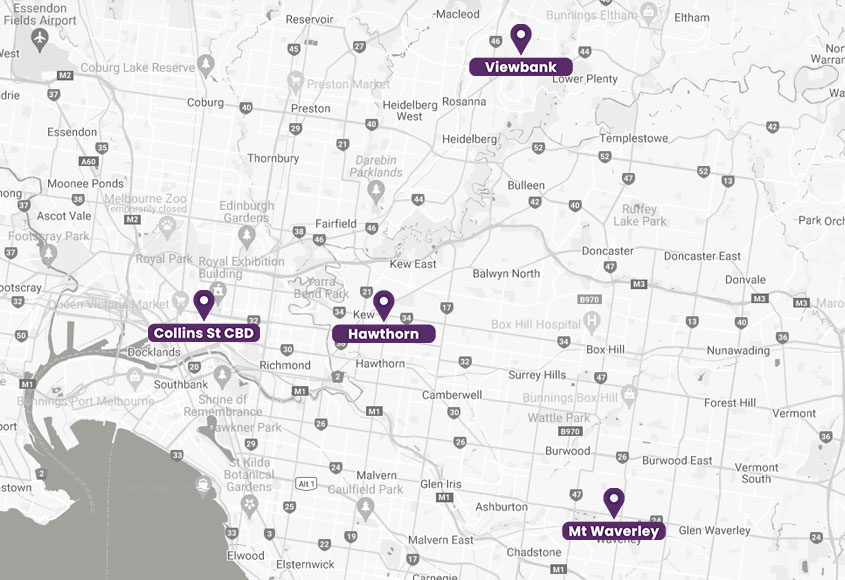
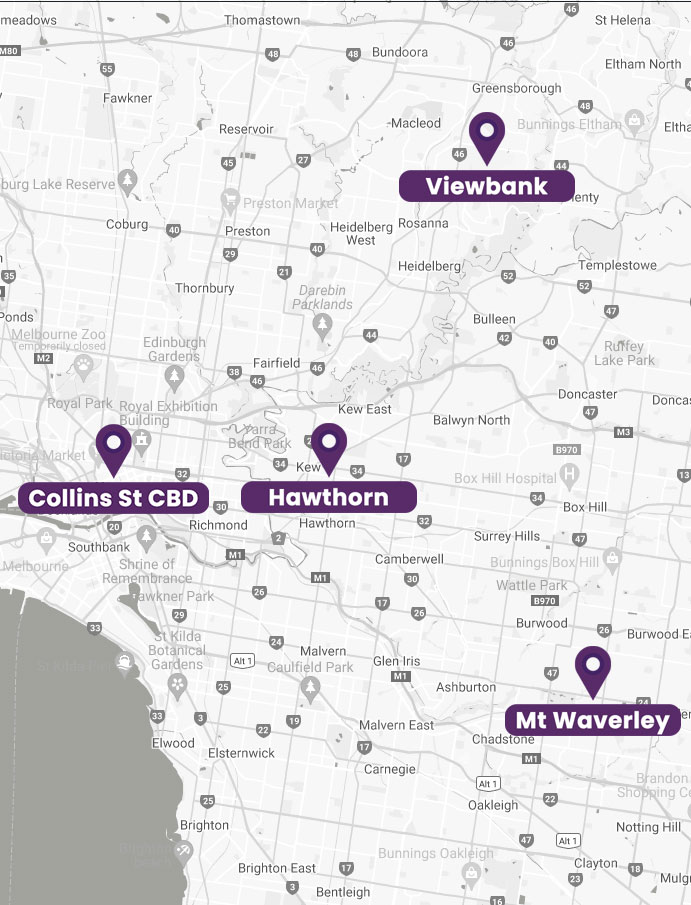
Our team at Victorian Laser and Skin Clinic will assess your skin, discuss your goals honestly, and recommend a treatment plan that is right for your individual concerns. Consultations are complimentary at all five of our Melbourne locations.
View skin needling treatment details and pricing across our Melbourne CBD, Hawthorn, Mt Waverley, Viewbank, and Croydon clinics.
Professional Microneedling vs. Other Skin Resurfacing Treatments
Microneedling is one of several professional skin resurfacing options available, and it is worth understanding where it sits relative to the alternatives before deciding what is right for your skin.
Microneedling vs chemical peels: Chemical peels work by applying exfoliating acids to the skin surface, causing controlled removal of the outer skin layers to reveal newer skin beneath. Superficial and medium-depth peels address concerns at the epidermal level and upper dermis. Professional microneedling works through a different mechanism, creating physical micro-channels that stimulate collagen production rather than removing layers of skin. The two treatments are complementary rather than competitive, and many patients incorporate both into a programme, with Skinstitut peels used to maintain surface clarity between skin needling sessions.
Microneedling vs RF skin tightening: RF skin tightening uses radiofrequency energy to generate controlled heat in the dermis, which stimulates collagen contraction and remodelling. Like microneedling, it is a collagen-induction treatment with no downtime, but it works through thermal rather than mechanical means. RF is particularly effective for skin laxity and firming, while microneedling has a stronger application for scarring, texture, and pore refinement. Again, these are frequently combined as part of a broader skin programme.
Microneedling vs laser resurfacing: Ablative laser resurfacing removes the outer layers of skin with heat energy and can produce significant results for surface concerns, but it typically involves meaningful downtime and carries a higher risk of pigmentation changes in medium to darker skin tones. Skin needling is safe across all skin tones and requires no downtime, making it a more accessible option for a wider range of patients, including those for whom heat-based or ablative treatments carry greater risk.
What to Look for When Choosing a Clinic for Skin Needling
The quality and safety of professional microneedling is directly related to the standard of the clinic and the qualifications of the person performing the treatment. These are the factors worth assessing before booking.
Practitioner qualifications. Skin needling at a reputable clinical setting is performed by trained skin therapists or AHPRA-registered practitioners with specific training in the use of medical-grade needling devices. Ask who will be performing the treatment and what their qualifications are. You are entitled to a clear answer.
Medical-grade equipment and single-use needles. Any clinic performing professional microneedling should be using a medical-grade device with single-use, sterile needle cartridges. This should not need to be requested; it should be standard practice. If a clinic is vague about the equipment used or the sterility of its needles, that is a significant concern.
A proper skin assessment before treatment. A consultation at which your skin is assessed, your concerns are discussed, your medical history is reviewed, and any contraindications are identified should precede the first treatment session. A clinic that skips this step and moves directly to treatment is not operating to clinical best practice.
Transparent results expectations. A trustworthy clinic will tell you clearly what skin needling can and cannot achieve for your specific concern, and what a realistic treatment course involves. Avoid any clinic that promises specific dramatic outcomes or that discourages questions about realistic results.
Aftercare support. The days following professional microneedling require specific care to protect the treated skin. A well-run clinic provides clear written aftercare instructions and follow-up contact if you have questions or concerns post-treatment.
Frequently Asked Questions
Is professional microneedling safe for all skin types?
Yes. Skin needling is safe across all skin tones, including medium to darker complexions that may carry a higher risk of adverse effects with heat-based or ablative treatments. Because microneedling does not use heat or light energy, the risk of thermal damage or heat-triggered pigmentation changes is not a concern. A proper skin assessment before treatment confirms suitability for each individual patient.
Can I use a home dermaroller between professional microneedling sessions?
This should be discussed with your treating clinician before proceeding. Used at very shallow depths (0.2 to 0.3 millimetres) and with scrupulous sterile technique, a home device may be incorporated into a homecare routine between sessions. Using a home device too soon after professional skin needling, or at a depth that aggravates post-treatment skin, can interfere with the healing process. Follow your clinician’s specific advice rather than a general guideline.
How long after starting professional skin needling will I see results?
Initial improvements in skin texture and radiance are often visible within two to four weeks of the first session. More significant changes in skin quality accumulate across a course of treatments and continue to develop in the weeks following the final session, as the collagen remodelling process progresses. Results are gradual by design: microneedling works with the skin’s own healing biology, which takes time.
What skin concerns does professional microneedling address?
Skin needling addresses a range of structural and textural skin concerns including acne scarring, fine lines and early signs of ageing, enlarged pores, uneven skin texture, and general skin quality. For a full list of concerns and outcomes, visit our skin needling treatment page.
What is the difference between microneedling and collagen induction therapy?
They are the same treatment referred to by different names. Collagen induction therapy describes the biological mechanism: the controlled micro-injuries created by the needles induce the skin’s own collagen production process. Microneedling describes the method of delivery. Both terms refer to the same professional treatment.
Ready to find out whether professional skin needling is right for your skin? Book a complimentary consultation at Victorian Laser and Skin Clinic across our Melbourne CBD, Hawthorn, Mt Waverley, Viewbank, and Croydon locations. View full treatment details, session information, and pricing.