RF skin tightening and HIFU (High-Intensity Focused Ultrasound) are two of the most widely chosen non-surgical treatments for improving skin laxity, lifting sagging tissue, and restoring a more defined facial contour. Both work by stimulating the skin’s natural collagen production, but they use different energy sources, reach different depths within the tissue, and are suited to different patient profiles and concerns. Choosing between them is not a matter of one being universally superior to the other: it is a matter of matching the right technology to your skin, your goals, and where you are in the ageing process.
This guide explains how each treatment works, what makes them different, and how to decide which approach is more likely to deliver the results you are looking for.
The Common Goal: Rebuilding Collagen Without Surgery
To understand why both RF skin tightening and HIFU work, it helps to understand what happens to the skin as it ages. Collagen and elastin are the structural proteins that give skin its firmness and resilience. From our mid-twenties, the body gradually produces less of both. Over time, the cumulative effect of this reduction, combined with gravity and environmental damage, leads to the skin becoming looser, thinner, and less able to maintain its shape.
Both RF and HIFU exploit the skin’s wound-healing response to counteract this. By delivering precisely controlled energy into the skin, both technologies create a state of controlled thermal injury at specific depths. The body responds to this by triggering the production of new collagen and elastin, gradually firming and tightening the tissue over the weeks and months following treatment. The difference lies in where that energy is delivered, and how deep it reaches.
How RF Skin Tightening Works
RF skin tightening uses radiofrequency energy, a form of electromagnetic energy, to generate heat within the skin’s dermal layers. A specialised handpiece is moved over the treatment area, delivering controlled warmth to a depth of approximately one to three millimetres, targeting the dermis where collagen fibres are found.
The heat causes immediate collagen contraction, which produces a mild tightening effect that is often visible from the first session. Over the following weeks, the sustained thermal stimulus drives new collagen synthesis, progressively improving skin firmness, texture, and tone.
RF is typically delivered across a course of sessions, with a minimum of six to ten treatments recommended for optimal results at Victorian Laser and Skin Clinic. Sessions are comfortable, requiring no anaesthetic, and most patients describe the sensation as a warm massage. There is no downtime: you can return to your normal activities immediately after treatment.
RF skin tightening works well on all areas of the face and body, including the jowls, neck, chin, upper arms, stomach, and thighs. It is particularly well matched to patients in their mid-thirties to mid-sixties who are experiencing mild to moderate skin laxity and want a gradual, natural-looking improvement without disruption to their daily life.
How HIFU Works
HIFU stands for High-Intensity Focused Ultrasound. Rather than using radiofrequency energy, it uses focused ultrasound waves to target specific depths beneath the skin’s surface. The key distinction is that HIFU can reach significantly deeper than RF, penetrating to a depth of four to four and a half millimetres to target the SMAS layer (superficial musculoaponeurotic system). The SMAS is the same layer of tissue that surgeons lift and tighten during a surgical facelift procedure.
By creating precise thermal coagulation points at this deeper structural layer, HIFU stimulates collagen remodelling in a way that produces a more pronounced lifting effect, particularly along the jawline, under the chin, and across the neck. Because the energy is focused rather than distributed across the surface, the skin above the treatment depth remains undamaged.
HIFU treatments typically involve a single session or a small number of sessions per year, and results develop gradually over two to three months as the collagen remodelling process progresses. The trade-off is that HIFU is generally more uncomfortable during treatment than RF, and some patients find it moderately intense, particularly over bony areas.
RF vs. HIFU: A Side-by-Side Comparison
Understanding the practical differences between the two treatments makes it easier to identify which suits your concerns.
Depth of treatment: RF targets the dermis at one to three millimetres. HIFU reaches the SMAS layer at four to four and a half millimetres and beyond. This deeper reach is the primary reason HIFU can deliver a more structural lifting effect on sagging tissue.
Comfort during treatment: RF is generally described as comfortable and relaxing. HIFU can produce stronger sensations, particularly over the cheekbones, jawline, and temples, though this varies between patients and devices.
Number of sessions: RF skin tightening works cumulatively and requires a course of sessions, typically six to ten, for the best outcome. HIFU can produce noticeable results from a single session, with maintenance treatments recommended once or twice per year.
Downtime: Both treatments require no downtime. Some patients experience mild redness or warmth after RF, and occasional temporary swelling or tingling after HIFU, but neither disrupts daily activities.
Results timeline: RF produces gradual improvements visible across the treatment course, with the full collagen remodelling benefit developing at around three months after completing the programme. HIFU results typically become visible at six to eight weeks and reach their peak around three months after treatment.
Best suited to: RF suits patients with mild to moderate laxity who want consistent, comfortable, no-downtime treatments over a course of sessions. HIFU suits patients with moderate to more advanced laxity who want a more defined lifting effect and are comfortable with a more intensive single session.
Thinking About Non-Surgical Skin Tightening in Melbourne?
If you are unsure which treatment is right for your skin, a complimentary skin analysis at Victorian Laser and Skin Clinic is the best starting point. Our clinicians will assess your skin laxity, discuss your goals, and recommend the most appropriate approach for your age, anatomy, and lifestyle.
View RF skin tightening details and pricing or explore our full range of skin treatments to understand your options.
Which Treatment Is Right for You?
The decision between RF and HIFU comes down to the degree of laxity you want to address, how comfortable you are with a more intensive in-clinic experience, and what kind of results timeline suits your life.
Choose RF skin tightening if you:
- Have mild to moderate skin laxity and want gradual, natural-looking improvement
- Prefer a comfortable, no-downtime treatment you can fit around your routine
- Are looking for a skin quality improvement that also addresses fine lines, texture, and tone
- Want to start non-surgical skin tightening in Melbourne as a preventive measure in your mid-thirties or forties
- Are treating body areas such as the stomach, arms, or thighs alongside facial concerns
Choose HIFU if you:
- Have moderate to more significant facial sagging, particularly along the jawline and neck
- Want a more defined lifting result from fewer in-clinic sessions
- Are comfortable with a more intensive treatment experience
- Are at a stage where standard RF may not deliver the degree of lifting you are looking for
It is also worth knowing that RF and HIFU are not mutually exclusive. Many patients benefit from a combined approach, using HIFU for deeper structural lifting and RF for ongoing collagen support, skin quality improvement, and body areas where HIFU is not typically used. Your treating clinician can advise on whether a sequential or combined programme would serve your goals best.
For patients also considering cosmetic injectables such as anti-wrinkle injections or dermal filler, RF skin tightening can work in combination with these treatments to achieve a comprehensive, balanced result, addressing both skin laxity and volume loss simultaneously.
Frequently Asked Questions
Is RF skin tightening safe for all skin types?
Yes. RF skin tightening is suitable for all skin tones and types, including darker complexions where certain laser treatments carry a higher risk of pigmentation changes. It is also safe to use on both facial and body areas, which makes it one of the most versatile non-surgical skin tightening treatments available.
How long do RF skin tightening results last?
Results from a completed RF treatment course typically last between six and twelve months. Maintenance sessions and a consistent homecare routine help extend the duration of results. Individual factors such as age, lifestyle, and skin condition influence how long improvement is sustained.
Does HIFU hurt?
HIFU involves stronger sensations than RF, particularly over bony areas of the face. Most patients describe it as manageable, and clinicians can adjust the energy settings to balance comfort with efficacy. Numbing cream can be applied beforehand if needed.
Can I combine RF skin tightening with other treatments?
Yes. RF pairs well with skin needling, laser pigmentation removal, and cosmetic injectables, among other treatments. Your clinician will advise on the most effective sequence and timing to ensure treatments complement rather than interfere with one another.
How many RF sessions will I need?
This depends on the degree of laxity being treated and the area of the body or face involved. A minimum of six to ten sessions is generally recommended for optimal results, performed weekly or every two to three weeks. Your clinician at Victorian Laser and Skin Clinic will recommend a programme tailored to your individual skin assessment.
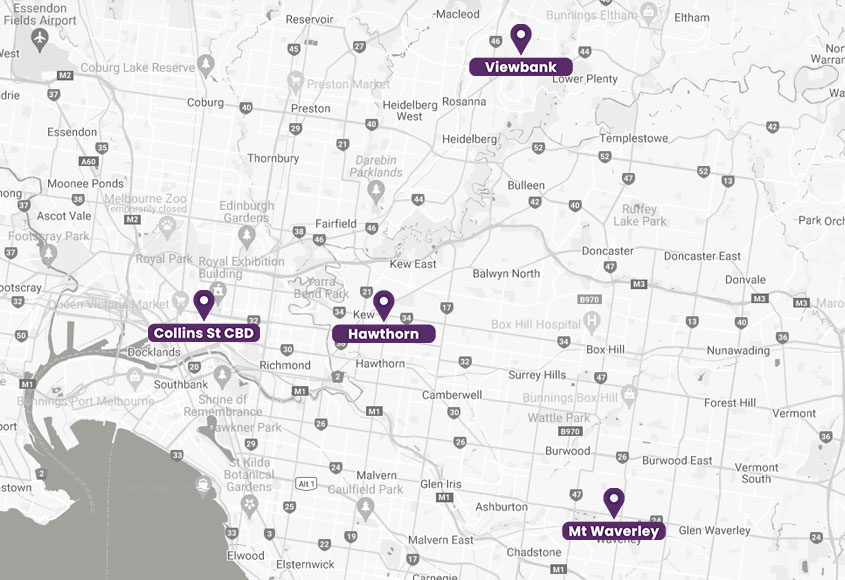
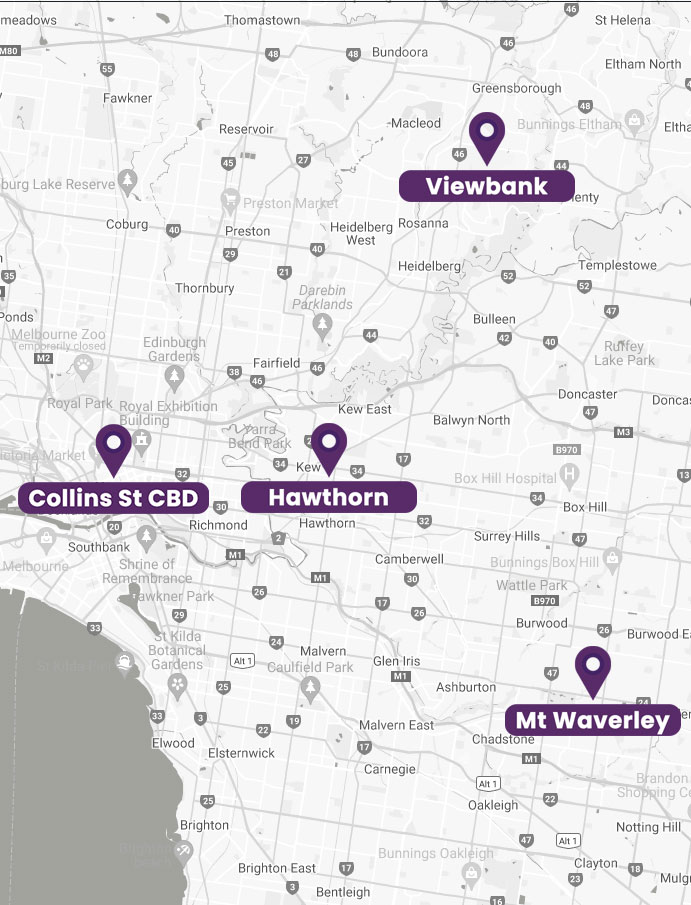
The best way to know which treatment suits your skin is to have it properly assessed by a clinician who can evaluate your degree of laxity and discuss what you are hoping to achieve. Book your complimentary skin analysis at Victorian Laser and Skin Clinic across our Melbourne CBD, Hawthorn, Mount Waverley, and Viewbank locations. Learn more about RF skin tightening or explore our full skin treatment menu to discover what is available.