Cosmelan is a professional depigmentation treatment that works by targeting the overproduction of melanin at its source, making it one of the most clinically recognised options for managing melasma and other forms of stubborn hyperpigmentation. Developed by Mesoestetic and used in clinics across more than 70 countries, it is particularly well regarded for its ability to treat hormonal pigmentation safely across all skin tones, including darker complexions that may not tolerate more aggressive laser-based approaches.
If you have been living with melasma and finding that topical products or standard chemical peels are not delivering lasting results, this guide explains why Cosmelan is different, how it works at a cellular level, and what a realistic treatment journey looks like.
Understanding Melasma and Why It Is So Difficult to Treat
Melasma is a chronic skin condition characterised by irregular brown or grey-brown patches, most commonly appearing on the cheeks, forehead, upper lip, and jawline. It is particularly prevalent among women, and hormonal fluctuations, including those associated with pregnancy, oral contraceptive use, and perimenopause, are among the most common triggers.
What makes melasma genuinely difficult to treat is that it is not simply a surface-level concern. The excess melanin responsible for the discolouration is produced by melanocytes, the pigment-producing cells found in the deeper layers of the skin. When these cells become overactive, they continue to produce pigment even after the visible patches appear to have faded, which is why standard exfoliating treatments often produce short-lived results. Sun exposure makes this significantly worse, which is a challenge in a city like Melbourne with its consistently high UV index.
The other complication is that many effective pigmentation treatments, particularly high-intensity lasers and aggressive peels, carry a risk of post-inflammatory hyperpigmentation in deeper skin tones. This means that the very treatment intended to reduce pigmentation can, if not matched carefully to the patient, temporarily worsen it. A depigmentation treatment that is effective and inclusive across skin types is therefore a significant clinical advantage.
How Cosmelan Works at a Cellular Level
The Cosmelan treatment works through a mechanism that goes beyond surface exfoliation. Its active ingredient complex, which includes azelaic acid, phytic acid, kojic acid, and vitamin C, among other cosmeceutical actives, targets the enzyme tyrosinase. Tyrosinase is the key enzyme responsible for initiating melanin synthesis in melanocytes. By inhibiting its activity, Cosmelan interrupts the process of melanin production at the source rather than simply removing melanin that has already been deposited.
This multi-pathway approach is what distinguishes Cosmelan from most standard chemical peels. A glycolic or lactic acid peel will exfoliate the outermost layers of the skin and remove some surface pigment, but it does not have a direct regulatory effect on the melanocyte itself. Cosmelan does both: it corrects existing pigmentation through its exfoliating action and simultaneously regulates the melanocyte’s capacity to produce new pigment. This is why the treatment can deliver longer-lasting results for conditions like melasma and hormonal pigmentation, provided the maintenance protocol is followed correctly.
The Two-Phase Cosmelan Protocol
Cosmelan is delivered across two distinct phases, both of which are essential to achieving lasting results. It is not a single treatment but rather a structured programme.
The first phase takes place in-clinic at Victorian Laser and Skin Clinic. A highly concentrated depigmenting mask is applied to the skin and left on for a prescribed period, typically eight to twelve hours, before being removed at home. During this time, the active ingredients begin working on the skin’s deeper layers.
The second phase, which begins immediately after mask removal and continues for up to six months, involves a daily at-home maintenance routine using Cosmelan 2, a supporting depigmenting cream, and a dedicated moisturiser. This phase is not optional: the at-home protocol is what locks in and extends the results achieved by the in-clinic mask, because it continues to regulate melanin production during the skin’s recovery and renewal cycle. Homecare products and supporting peels and facials are included in the Cosmelan treatment package at Victorian Laser and Skin Clinic.
What to Expect: Skin Response and Recovery
Understanding what your skin will do in the days and weeks after Cosmelan is important, because the healing process can look alarming if you are not prepared for it.
In the first three to four days after mask removal, the skin will be red, feel tight, and may have some mild swelling. From approximately day three, noticeable peeling and flaking begins. This shedding phase can last up to a week and reflects the accelerated cell turnover being driven by the treatment. During this period, pigmented areas may temporarily appear darker before they begin to fade, which is a normal part of the pigment dispersal process.
Managing the post-Cosmelan recovery well requires consistent sun protection. Broad-spectrum SPF 50+ sunscreen must be applied every single day, regardless of weather conditions, for the duration of the maintenance programme and beyond. Sun exposure during recovery will not only slow results but can stimulate melanin production and partially reverse the treatment. A mineral-based sunscreen is generally preferable for patients with sensitive or reactive skin during the peeling phase.
Your clinician at Victorian Laser and Skin Clinic will provide detailed aftercare instructions tailored to your skin and will schedule a one-month follow-up appointment to assess progress and adjust your homecare regimen if needed.
Ready to Start Your Cosmelan Journey?
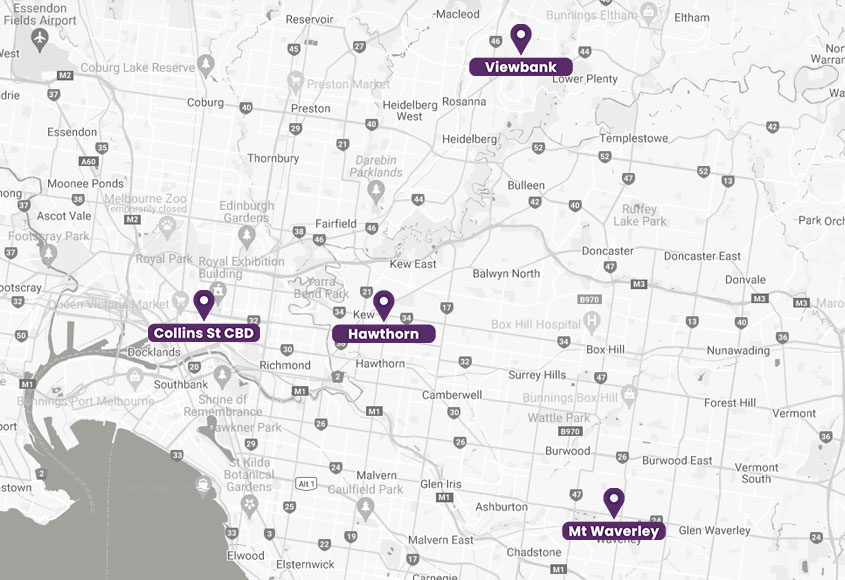
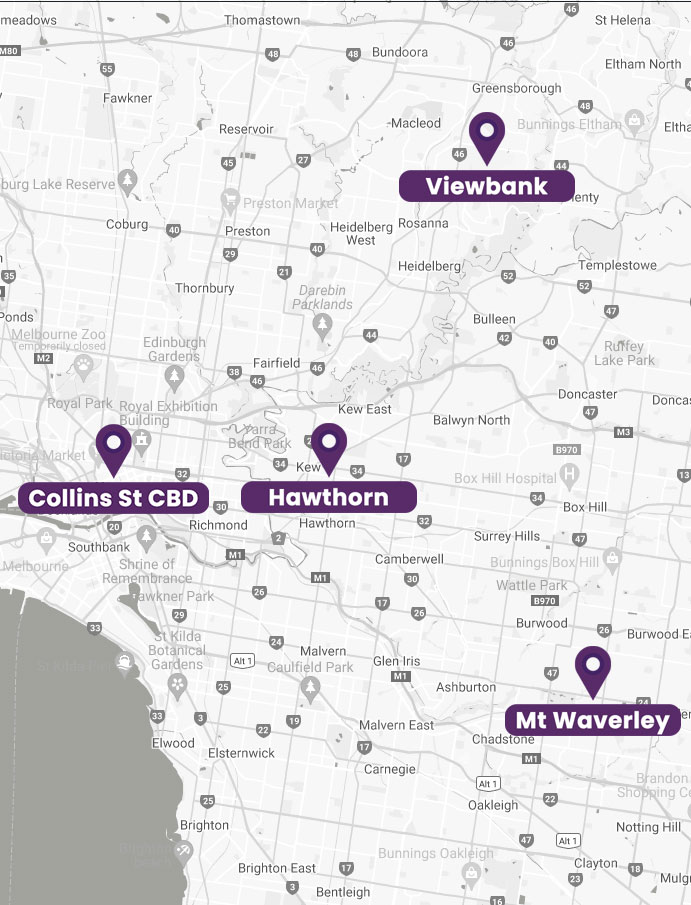
Book a complimentary skin analysis at Victorian Laser and Skin Clinic across our Melbourne CBD, Hawthorn, Mount Waverley, and Viewbank locations. Our experienced clinicians will assess your skin pigmentation concerns and advise on whether Cosmelan is the most appropriate treatment for your skin type and goals.
View Cosmelan treatment details and pricing
Cosmelan Results: What Is Realistic?
Noticeable improvements in skin clarity and a reduction in the visibility of dark patches are typically visible three to six weeks after treatment, once the peeling phase has resolved. The full benefit of the programme develops progressively over the following months as melanin regulation takes effect and the skin continues to renew.
For most patients, a single Cosmelan treatment cycle, combined with the maintenance programme, produces significant and lasting improvement in melasma. Some patients with deeper or more complex pigmentation may benefit from an additional treatment or complementary procedures such as a Mesoestetic facial to enhance and sustain results.
It is important to approach Cosmelan with realistic expectations about what “long-lasting” means in the context of melasma, which is a chronic condition rather than one that is permanently resolved by a single treatment. Consistency with post-peel skincare and daily sun protection is the most reliable predictor of how well results are maintained over time. Patients who remain disciplined with their homecare routine and SPF application are the ones who experience the most durable outcomes.
Is Cosmelan Suitable for Your Skin Type?
One of the most significant advantages of Cosmelan is its suitability across all skin tones. Unlike certain laser treatments that carry a higher risk of post-inflammatory hyperpigmentation in medium to deeper complexions, Cosmelan is formulated to be used safely on Fitzpatrick skin types I through VI. This makes it a particularly well-matched option for patients with Asian, Mediterranean, Middle Eastern, and South Asian skin tones who are seeking effective pigmentation treatment without the risks associated with more ablative approaches.
Cosmelan is appropriate for anyone experiencing:
- Melasma or chloasma (hormonal pigmentation)
- Sun-induced pigmentation and uneven skin tone
- Post-inflammatory hyperpigmentation from acne scarring
- General dullness and uneven complexion from cumulative sun damage
Treatment is not recommended during pregnancy or breastfeeding, or within six months of completing isotretinoin (Accutane) therapy. A thorough consultation at Victorian Laser and Skin Clinic will confirm your suitability and allow your clinician to design a programme appropriate for your skin’s specific needs and condition.
Frequently Asked Questions
Is Cosmelan better than laser for melasma?
For many patients with melasma, particularly those with medium to deeper skin tones, Cosmelan is considered a safer and more appropriate first-line treatment than laser. Laser treatments carry a risk of triggering post-inflammatory hyperpigmentation in reactive or darker skin types. Cosmelan does not use heat or light energy, which reduces this risk significantly. In some cases, a combination approach using Cosmelan followed by a carefully selected laser treatment may be recommended, but this is assessed individually.
How long do Cosmelan results last?
With consistent post-peel skincare and daily broad-spectrum SPF, results from a Cosmelan programme can be maintained for years. Melasma is a chronic condition, however, and ongoing exposure to triggers such as UV light and hormonal fluctuations can cause gradual repigmentation over time. Regular maintenance sessions and a disciplined homecare routine are the most effective ways to extend and preserve results long-term.
Is there any downtime after Cosmelan?
A recovery period of approximately five to seven days should be expected. During this time, the skin will be red, sensitive, and will peel visibly. This is a normal and necessary part of the treatment process. Most patients plan their Cosmelan treatment to avoid major social or professional commitments in the week immediately following the in-clinic application.
Can Cosmelan be combined with other treatments?
Yes, and in many cases it is. Combining Cosmelan with complementary treatments such as microdermabrasion or a Skinstitut peel in subsequent months can enhance and sustain results. Your treating clinician will advise on appropriate sequencing and timing to ensure the skin has fully recovered before additional treatments are introduced.
If persistent pigmentation or melasma is affecting your confidence, a conversation with an experienced clinician is the best starting point. Book your complimentary skin analysis at Victorian Laser and Skin Clinic at our Melbourne CBD, Hawthorn, Mount Waverley, and Viewbank locations, and take the first step towards clearer, more even skin.