As Melbourne moves out of summer, many people notice that their skin tells the story of the past few months more honestly than they would like. Freckles that were barely visible in winter have darkened and multiplied. Sun spots that were fading have re-emerged. And for some, the uneven, blotchy tone that develops after months of UV exposure can feel impossible to shift with skincare alone.
Pico laser is a skin rejuvenation laser technology specifically designed to break down stubborn pigmentation at a cellular level, and autumn is one of the ideal times to start a course of treatment. Reduced UV exposure during the cooler months means the skin is less vulnerable to repigmentation during the healing process, and the results from a treatment course completed between May and August are well established by the time summer arrives again.
This guide explains how pico laser works, why it outperforms older laser technologies and IPL for certain types of pigmentation, and what you can realistically expect from a treatment journey at Victorian Laser and Skin Clinic.
Why Post-Summer Pigmentation Is Stubborn
Pigmentation is not simply a surface issue. While superficial freckles sit in the uppermost layers of the epidermis and can respond well to topical brightening agents, most sun-induced pigmentation, particularly the kind that develops and deepens with repeated exposure over years, involves melanin that is clustered deeper within the skin.
Melanin is produced by melanocytes, the pigment-producing cells in the skin. UV exposure triggers these cells to produce excess melanin as a protective response, and over time, this melanin concentrates into visible dark patches. The difficulty with treating deeper or more established pigmentation is that many skin-lightening products can only reach the surface, while more aggressive approaches risk damaging the surrounding tissue or triggering post-inflammatory hyperpigmentation (new discolouration caused by the treatment itself).
Pico laser addresses this challenge with a precision that older laser technologies and standard IPL treatments cannot always match.
How Pico Laser Works: Speed Is the Key
The defining characteristic of pico laser technology is the speed at which it delivers energy. Traditional lasers deliver energy pulses in nanoseconds (billionths of a second). Pico laser, including PicoSure, delivers pulses in picoseconds, which are trillionths of a second; making it approximately one thousand times faster.
This speed is not simply a technical specification. It fundamentally changes what the laser does to the pigment in the skin. Traditional lasers primarily rely on photothermal energy, meaning they heat the pigment until it breaks down. This thermal approach can transfer heat to surrounding tissue, which is where the risks of side effects such as burning, scarring, or post-inflammatory hyperpigmentation arise.
Pico laser operates primarily on a photomechanical principle. Rather than heating the pigment, the ultra-short pulses create a photoacoustic shockwave effect that shatters melanin clusters into much smaller fragments, almost instantaneously, without the thermal injury to surrounding skin. These microscopic fragments are then naturally cleared by the body’s immune and lymphatic systems over the following weeks.
The result is precise, controlled clearance of pigmentation with significantly reduced risk of heat-related damage. This is particularly important for patients with medium to deeper skin tones, or for pigmentation types such as melasma, where heat can paradoxically worsen the condition.
PicoSure vs IPL: Understanding the Difference
When exploring laser pigmentation removal, one of the most common questions is how pico laser compares to IPL (Intense Pulsed Light). While both can improve the appearance of sun damage and pigmentation, they are fundamentally different technologies.
IPL uses a broad spectrum of light across multiple wavelengths simultaneously. It is a versatile treatment that can address a range of skin concerns including redness, diffuse pigmentation, and skin texture, but its broad-spectrum nature means it is less precise than laser when targeting specific, concentrated pigment. For general skin maintenance and mild, diffuse sun damage, IPL can be an effective option. For stubborn, well-defined sun spots, post-summer freckle darkening, or deeper pigmentation, a targeted laser approach typically delivers stronger and more reliable results.
PicoSure takes this precision further by operating in the picosecond range, delivering energy at a speed that maximises photomechanical shattering of pigment while minimising heat transfer to surrounding tissue. For patients who have tried IPL with limited results on specific spots or darker patches, pico laser is often the more effective step forward.
It is also worth noting that PicoSure is effective for a broader range of pigmentation types, including post-inflammatory hyperpigmentation, melasma (which can be aggravated by heat-based treatments), and benign pigmented lesions, in addition to standard sun damage and freckles. Your clinician will assess the type of pigmentation you have and advise on the most appropriate treatment approach.
What Pico Laser Can Treat
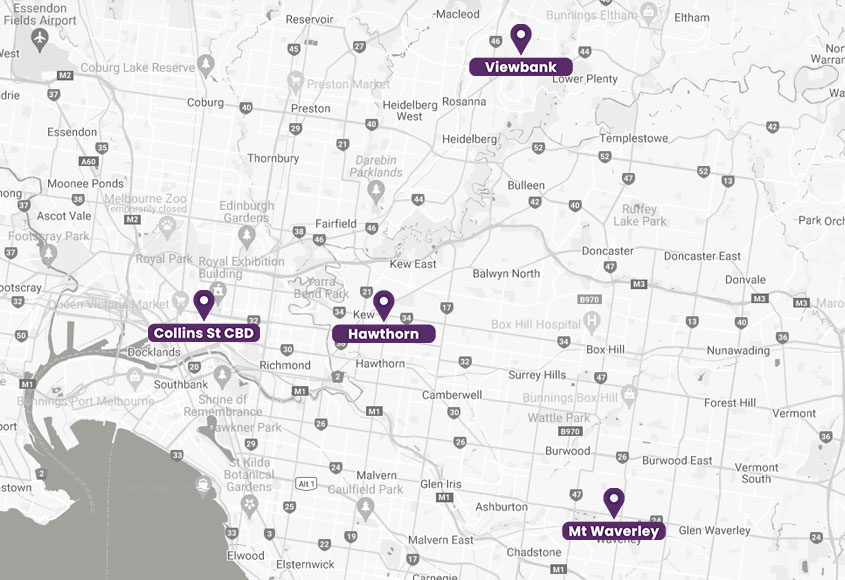
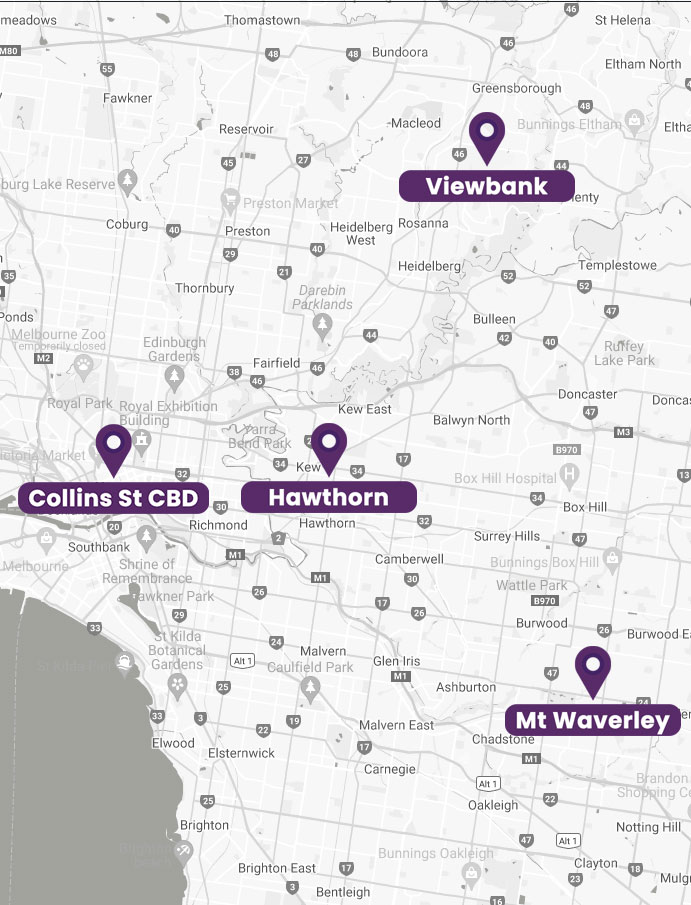
At Victorian Laser and Skin Clinic in Melbourne, PicoSure is available at our Mt Waverley location and addresses a wide range of post-summer skin concerns:
Sun spots and age spots: Concentrated deposits of melanin triggered by cumulative UV exposure. Pico laser breaks these down effectively, typically showing visible lightening within two to four weeks of treatment.
Freckles: Superficial freckles that have darkened over summer respond particularly well to pico laser, often fading significantly after one to two sessions. Deeper or more established freckle patterns may require additional treatments.
Post-inflammatory hyperpigmentation: Dark marks left by acne, skin trauma, or previous procedures. The photomechanical mechanism of pico laser makes it a more measured choice for this type of pigmentation than heat-based alternatives.
Melasma: Complex, hormonally influenced pigmentation that requires a careful approach. PicoSure can be effective for melasma, though results require patience and consistent sun protection, and in some cases the Cosmelan depigmentation treatment may be recommended either instead of or alongside laser therapy, depending on skin type and the nature of the melasma.
Uneven skin tone and dullness from sun damage: Even without distinct spots, cumulative sun exposure leaves the skin looking flat and uneven. Pico laser’s secondary effect of stimulating collagen and elastin production contributes to overall skin rejuvenation, improving texture and radiance alongside pigmentation clearance.
Thinking About Laser Pigmentation Removal in Melbourne?
PicoSure is available at our Mt Waverley clinic. Book a complimentary skin analysis at Victorian Laser and Skin Clinic to assess your pigmentation type and discuss a personalised treatment plan.
View PicoSure pricing and session details or learn more about our laser pigmentation removal options across all four Melbourne clinic locations.
What to Expect During and After Pico Laser Treatment
A PicoSure session is straightforward and relatively quick. After a thorough skin assessment and cleanse, the handpiece is passed over the treatment area, delivering precise pulses of energy to each pigmented target. Larger areas are divided into quadrants to ensure even coverage. Most patients describe the sensation as a mild snapping or tingling. A cooling system is used throughout to manage any discomfort, and the vast majority of patients do not require topical anaesthetic, though it is available on request.
Immediately after treatment, treated pigmented areas may temporarily appear slightly darker or have a mild frosted appearance. This is a normal response indicating the pigment has been disrupted and will resolve within twenty-four to forty-eight hours as the skin begins to clear the fragmented melanin. Mild redness and warmth are common for several hours post-treatment.
Most sun damage concerns require between two and four treatment sessions, spaced two to four weeks apart, to achieve the desired level of clearance. Melasma may require a more gradual approach with closer monitoring between sessions.
The single most important thing you can do between sessions and after completing your course is to wear broad-spectrum SPF 50+ sunscreen every day. Pico laser clears existing pigmentation but does not prevent new pigmentation forming if the skin is re-exposed to UV. Consistent sun protection is the foundation of maintaining your results long-term.
Why Autumn Is the Right Time to Start
Starting a pico laser pigmentation course in autumn is clinically sound for a simple reason: reduced UV exposure means the skin is less reactive during the treatment period, the risk of post-treatment repigmentation is lower, and results have time to fully develop and stabilise before UV levels rise again in spring and summer.
This timing window, between May and August in Melbourne, is consistently recommended for patients wanting to address accumulated sun damage and achieve genuinely clearer skin heading into the next summer. If you have been putting this off, now is the right moment to book a consultation.
Frequently Asked Questions
How many sessions of pico laser will I need?
Most patients with sun spots and freckles see good results across two to four sessions. The exact number depends on the depth and type of pigmentation, the area being treated, and how your skin responds to each session. Your clinician will give you a realistic assessment after examining your skin.
Is pico laser safe for darker skin tones?
Yes. One of the advantages of pico laser’s photomechanical mechanism is that it reduces the risk of thermal damage associated with older photothermal laser technologies, making it a safer option for medium to deeper skin tones than many traditional lasers. A thorough skin assessment is always recommended to confirm suitability for each individual.
Does pico laser hurt?
Most patients find the treatment manageable. The sensation is typically described as a mild snap or tingle. A cooling system is used throughout the treatment, and topical anaesthetic cream is available beforehand if needed.
How soon will I see results after pico laser?
Initial changes, including the temporary darkening followed by fading of treated spots, become noticeable in the first two to four weeks after each session. More significant improvement in overall skin tone and clarity develops progressively across the treatment course and in the weeks following each session.
Can pico laser be combined with other pigmentation treatments?
Yes, and a combined approach is sometimes recommended for complex pigmentation. For example, pico laser may be used alongside a Cosmelan treatment for patients with melasma, or with IPL skin rejuvenation for patients with diffuse redness and pigmentation. Your clinician will advise on the most appropriate programme for your skin’s specific concerns.
Post-summer is the ideal time to reset your skin and address the pigmentation that has built up over months of sun exposure. Book a complimentary consultation at Victorian Laser and Skin Clinic at our Melbourne CBD, Hawthorn, Mount Waverley, and Viewbank locations. View PicoSure treatment details, explore our full range of skin treatments, and take the first step towards clearer, more even skin this autumn.