Sebaceous filaments and blackheads can look almost identical in a magnifying mirror, but they are not the same thing. Sebaceous filaments are a normal part of the pore that carries oil to the skin’s surface. Blackheads are blocked pores and a mild form of acne. Knowing which one you have determines how it should be treated.
If you have squeezed the tiny dots across your nose, only to see them return within days, there is a good chance you have been dealing with sebaceous filaments rather than blackheads. This guide explains how to tell sebaceous filaments vs blackheads apart, why one is best left alone while the other benefits from treatment, and where professional care fits in. If you already know you are dealing with stubborn congestion, our guide to why blackheads keep coming back covers the next step.
What Are Sebaceous Filaments?
Sebaceous filaments are thin, thread-like structures that line the oil glands within your pores. Their role is to move sebum, the skin’s natural oil, from the gland to the surface, where it helps keep skin and hair hydrated. Everyone has them. They simply become more noticeable when the oil glands produce more sebum than usual.
They become more visible from puberty, and on oily skin or skin with thicker hair follicles. They appear most often on the nose, forehead, chin and cheeks, which is why the grey dots on the nose are so often mistaken for blackheads.
The key point is that sebaceous filaments are part of the pore’s normal structure. When they are emptied, they refill. They cannot be permanently removed, and they do not need to be.
What Makes a Blackhead Different?
A blackhead, known clinically as an open comedone, is a pore that has become blocked with a plug of sebum and dead skin cells. Because the opening of the pore stays exposed to the air, the surface of the plug darkens. That dark colour comes from pigment, not dirt, so scrubbing harder will not remove it.
Unlike sebaceous filaments, true blackheads are a form of comedonal acne. They feel slightly raised or rough, can grow larger over time and can become inflamed if squeezed incorrectly. Comedones are most common on the forehead and chin, although blackheads also appear on the nose, shoulders, chest and back.
Sebaceous Filaments vs Blackheads: Side-by-Side Comparison
The table below summarises the main differences. If most of the descriptions in the left-hand column match what you see in the mirror, you are likely looking at sebaceous filaments.
| Sebaceous filaments | Blackheads | |
|---|---|---|
| What they are | A normal structure lining the pore | A blocked pore (open comedone) |
| Colour | Grey, beige or close to skin tone | Dark brown to black |
| Texture | Flat and smooth | Slightly raised or rough |
| Pattern | Even, uniform dots across an area | Scattered, varying in size |
| After extraction | Refill naturally over time | Can be cleared, but may recur |
| Need treatment? | No, only appearance management | Yes, if persistent or widespread |
Should You Squeeze or Remove Sebaceous Filaments?
No. Squeezing a sebaceous filament may push out a small amount of oil, but the filament refills, and the pressure can stretch the pore, irritate the skin and leave redness or post-inflammatory marks. Pore strips work in a similar way: they lift the visible tip temporarily and, with repeated use, can aggravate sensitive skin.
A gentler routine makes a more lasting difference to how visible they are:
- Cleanse morning and night with a gentle, non-stripping cleanser.
- Exfoliate regularly to stop dead skin cells building up at the pore opening.
- Choose skincare and makeup labelled non-comedogenic.
- Resist the urge to pick, even when the dots look prominent.
How Professional Treatments Reduce Their Appearance
Professional exfoliation keeps pores clearer, which makes sebaceous filaments look less obvious for longer. Microdermabrasion removes the build-up of dead skin cells on the surface, while DMK enzyme therapy works with the skin’s own processes to clear congestion without harsh scrubbing. Neither treatment removes sebaceous filaments permanently, but both can improve the overall clarity and texture of oily skin.
True blackheads are a different matter. When pores are genuinely blocked, professional extraction by a trained therapist removes the plug cleanly without the damage that squeezing at home can cause. Visible pores are often part of the same picture, and our guide on whether pores can actually shrink explains what can and cannot be changed.
Not Sure What You Are Seeing?
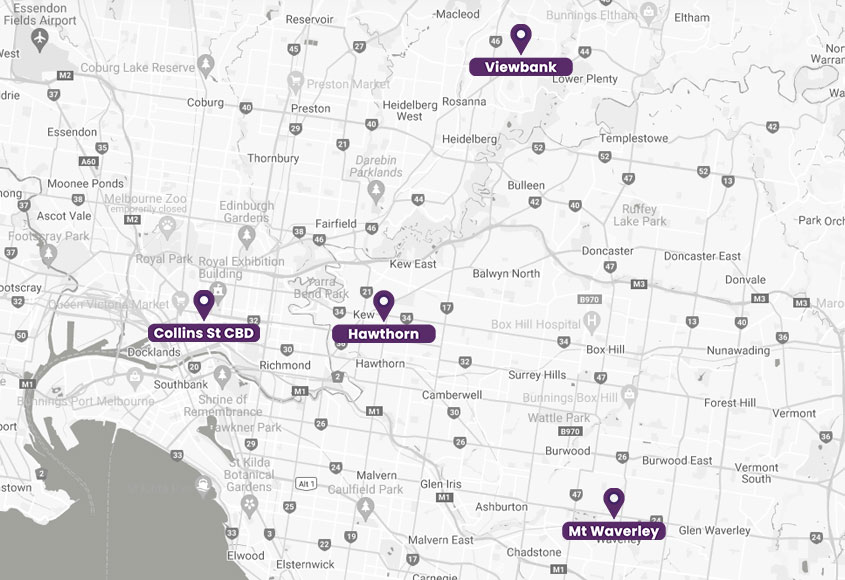
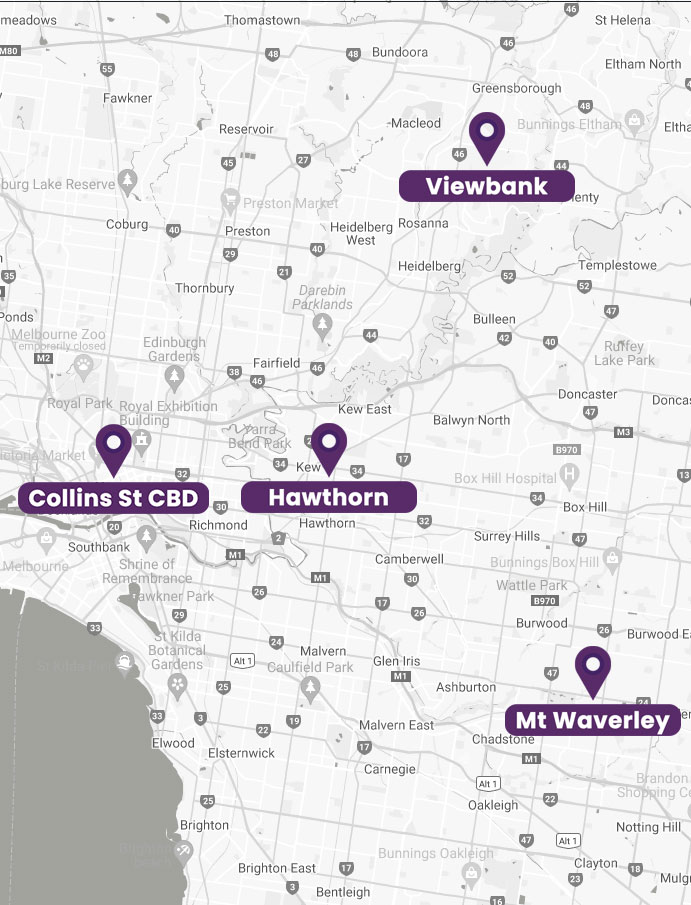
Our therapists can assess your skin and tell you whether you are dealing with sebaceous filaments, blackheads or a combination of both. Book a complimentary skin consultation at any of our Melbourne clinics.
Frequently Asked Questions
Can sebaceous filaments be removed permanently?
No. They are a normal part of every pore and refill after they are emptied. Good skincare and professional exfoliation can make them less visible, but they will always return to some degree.
Can a sebaceous filament turn into a blackhead?
It can. If excess oil and dead skin cells build up and block the pore opening, the area can develop into a blackhead. This is one reason regular, gentle exfoliation is worthwhile.
Sebaceous filaments are normal, while blackheads are treatable. Knowing which one you have is the first step towards choosing the right approach. Explore our blackhead treatment options or book online to speak with one of our therapists.