Blackheads and whiteheads are both comedones: pores blocked by sebum (oil) and dead skin cells. The difference is the opening. A blackhead’s pore stays open, so the surface of the plug darkens. A whitehead’s pore is sealed beneath a thin layer of skin, so the plug stays pale. That small structural difference changes how each one should be handled.
Most people with congested skin have a mix of both, often alongside other blackheads and breakouts. Understanding blackheads vs whiteheads helps explain why a technique that works for one can cause problems with the other, and why some breakouts are best left to a professional.
Why Blackheads Turn Dark: Open Comedones Explained
An open comedone forms when the plug sits at the opening of the pore. Because it is exposed to the air, the top of the plug darkens. The colour comes from pigment in the plug rather than dirt, which is why scrubbing does little to change it. Blackheads usually feel slightly raised or rough, and they are most visible on the nose, chin and forehead. Not every dark dot is a blackhead, however. If yours are grey, flat and evenly spaced, our guide to sebaceous filaments vs blackheads will help you tell the difference.
Why Whiteheads Stay White: Closed Comedones Explained
A closed comedone forms when the follicle is completely blocked and a thin layer of skin covers the plug. The result is a small white or skin-coloured bump that sits just under the surface. Closed comedones are particularly common across the forehead and chin, and some grow larger than two to three millimetres, at which point they are described as macrocomedones.
Because the plug is trapped beneath the skin, whiteheads are more likely than blackheads to become inflamed if they are disturbed. Bacteria can multiply within a blocked pore, and when inflammation develops, a whitehead can progress into a red, tender pimple. This is why closed comedones are often the starting point for wider acne breakouts.
Comparison Table: Cause, Appearance, Inflammation Risk and Best Approach
| Blackheads | Whiteheads | |
|---|---|---|
| Clinical name | Open comedone | Closed comedone |
| Pore opening | Open to the air | Covered by skin |
| Appearance | Dark dot, slightly raised | Small white or skin-coloured bump |
| Common areas | Nose, chin, forehead, back | Forehead, chin, cheeks |
| Risk of inflammation | Lower, unless squeezed | Higher if disturbed |
| Safe to extract at home? | Not recommended | No |
| Typical professional approach | Extraction, exfoliation | Exfoliation, peels, careful extraction |
Why Squeezing Whiteheads Carries More Risk
Removing a whitehead means breaking through the layer of skin that covers it. Doing this with fingers or household tools increases the chance of pushing the contents deeper, introducing bacteria and triggering inflammation. In skin that is prone to marking, the aftermath can include post-inflammatory hyperpigmentation or scarring that lasts far longer than the original spot.
Professionals approach this differently. Doctors and trained skin therapists use sterile instruments and controlled techniques designed to clear comedones while minimising the risk of scarring.
In-Clinic Options for Congested Skin
Because blackheads and whiteheads form in slightly different ways, professional treatment usually combines several approaches rather than relying on one:
- Professional extraction clears accessible blackheads and suitable comedones using sterile technique.
- Skinstitut peels use exfoliating acids to loosen the build-up of dead skin cells that blocks pores in the first place.
- DMK enzyme therapy supports deeper cellular clearance for skin that is chronically congested or sensitive.
- Blue LED light therapy is designed for blemish-prone skin and may help calm active breakouts.
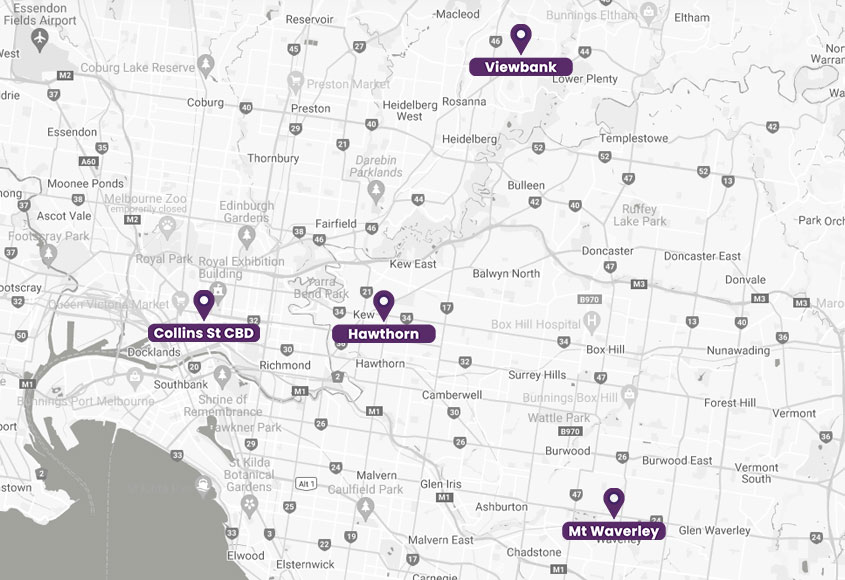
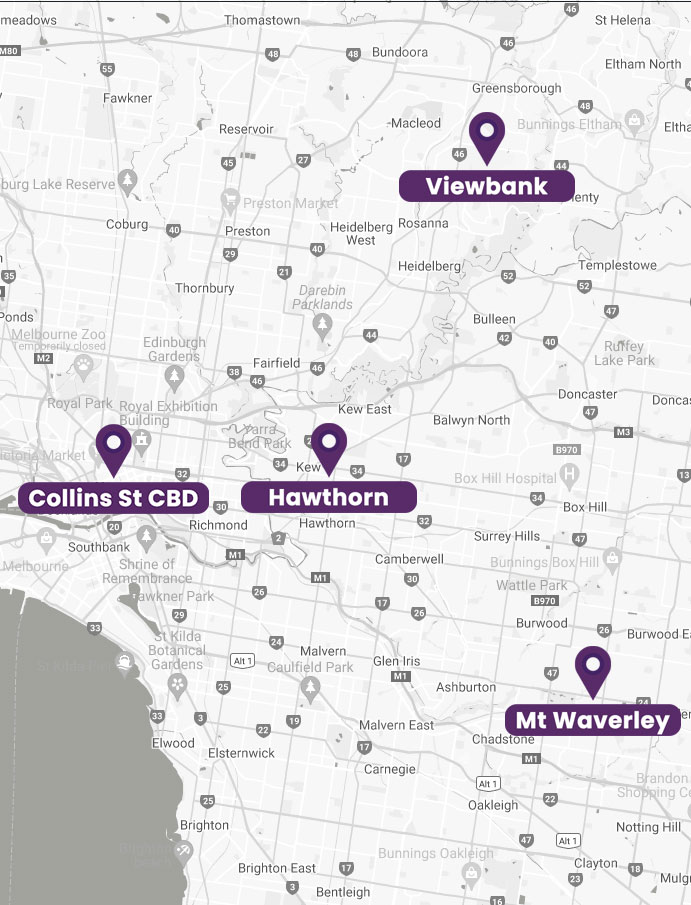
Our therapists can assess your congestion pattern and recommend a treatment plan suited to your skin. Book a complimentary skin consultation at your nearest Melbourne clinic.
If your breakouts are widespread, painful or include deep lumps, it is worth seeing your GP, who can assess you for moderate to severe acne and refer you to a dermatologist if needed.
Frequently Asked Questions
Are whiteheads worse than blackheads?
Neither is serious on its own. Whiteheads are more likely to become inflamed because the pore is closed, so they need more careful handling.
Do blackheads and whiteheads have the same cause?
Yes. Both form when excess oil and dead skin cells block a pore. Hormones, genetics and heavy skincare products can all contribute. The only difference is whether the pore opening stays open or closes over.
When should I see a professional about whiteheads?
If whiteheads are persistent, spreading or regularly turning into inflamed pimples, a professional skin assessment is worthwhile. Persistent or severe acne should also be reviewed by a GP.
Blackheads and whiteheads start the same way but need different handling, and getting that right can be the difference between clearer skin and more breakouts. Explore our blackhead and congestion treatment options or book online.