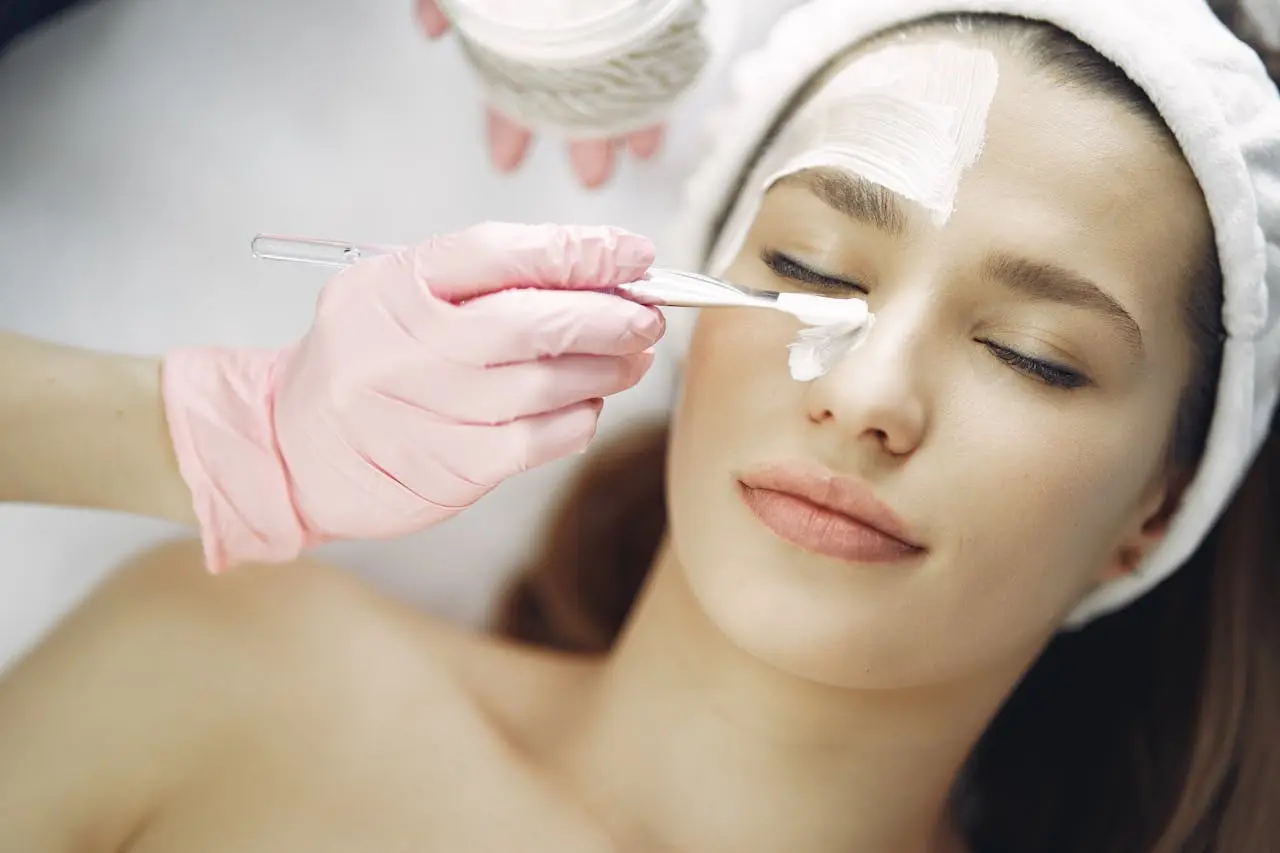
Your at-home skincare routine can only take you so far. Cleansers, serums, and moisturisers maintain the skin you already have, but if you want to genuinely improve its texture, clarity, and tone, professional exfoliation is where real change begins. Two of the most trusted skin resurfacing treatments available today are microdermabrasion and chemical peels. Both work by removing dead skin cells to reveal fresher, more radiant skin underneath, but they do so in very different ways and suit very different skin concerns.
If you have been weighing up these two facial exfoliation types and are not sure which one belongs in your treatment plan, this guide covers exactly how each works, what conditions each addresses best, and how to make the right call for your skin type.
What Is a Microdermabrasion Facial?
A microdermabrasion facial is a non-invasive skin resurfacing treatment that uses a diamond-tipped handpiece to physically buff away the outermost layer of dead skin cells. As the device passes over the skin, an integrated vacuum lifts and removes the loosened debris, leaving the complexion noticeably smoother and brighter.
Because microdermabrasion works on the surface of the skin, it is one of the most accessible professional treatments available. There is no downtime, no peeling, and no need to adjust your schedule around recovery. Most clients describe the sensation as a gentle vibration or mild scratching, and the whole appointment typically takes around 30 minutes.
Microdermabrasion is particularly well-suited to treating:
- Dull, congested, or uneven skin tone
- Superficial fine lines and early signs of ageing
- Enlarged or clogged pores and blackheads
- Mild sun damage and minor surface discolouration
- General skin maintenance and glow enhancement
- Mild acne and surface-level acne scarring
For best results, a course of treatments is recommended. Most clients benefit from six to eight sessions spaced two to four weeks apart, with maintenance sessions every four to eight weeks thereafter.
What Are Chemical Peels?
Chemical peel treatments use a solution containing active acids, such as glycolic acid, lactic acid, salicylic acid, or trichloroacetic acid (TCA), to chemically exfoliate the skin. These acids break down the bonds between dead skin cells and stimulate the skin’s natural renewal process, revealing newer, cleaner layers beneath.
Unlike microdermabrasion, chemical peels are available in varying strengths, allowing them to be tailored to a client’s specific skin concerns and tolerance.
Light peels use mild AHAs or BHAs to treat the very top layer of skin. They require minimal downtime and are ideal for general brightening, early pigmentation, and surface refinement. Most clients experience a day or two of mild sensitivity at most.
Medium peels penetrate more deeply into the dermis and are commonly recommended for moderate skin concerns. They typically produce several days of visible peeling and redness, but deliver more significant improvements in texture, pigmentation, and fine lines. For those looking for the best peel for acne scars, a medium-depth salicylic or TCA peel is generally the strongest option available without surgical-level recovery.
Deep peels are the most intensive option, capable of addressing more severe scarring and significant sun damage. These require longer recovery periods and are performed under close medical supervision.
Microdermabrasion vs. Chemical Peel: Which One Works for Your Skin Concern?
When comparing microdermabrasion vs chemical peel, the right choice comes down to the specific concern you are trying to address:
Acne and acne scarring: Chemical peels are generally the stronger choice. Salicylic acid peels penetrate the pore lining to address active breakouts, while medium-depth peels can meaningfully reduce the appearance of post-inflammatory scarring over a course of treatments. Microdermabrasion can be used on mild, non-active acne-prone skin but may aggravate inflamed or active breakouts.
Fine lines and early ageing: Both treatments improve fine lines, though via different mechanisms. Microdermabrasion polishes the surface and stimulates circulation, while chemical peels trigger collagen production through a mild controlled response in the skin. For deeper lines, a medium or deep peel will deliver more noticeable results.
Pigmentation and sun damage: Light to medium chemical peels are well suited to treating uneven pigmentation, sun spots, and early melasma, particularly when the pigment sits deeper in the skin. Microdermabrasion can improve mild surface discolouration but has limited reach for deeper pigmentation concerns.
Sensitive skin: Microdermabrasion has the advantage here. Because it involves no chemicals, it is a safer starting point for sensitive or reactive skin types. Certain light peels using lactic acid can also suit sensitive skin but require careful assessment first.
Oily or congested skin: Both treatments work well. Microdermabrasion’s physical unclogging of pores makes it an excellent regular option for managing congestion and maintaining clear skin between more intensive treatment cycles.
Melbourne’s Climate and Post-Treatment Sun Protection
This is worth noting for anyone considering skin resurfacing treatments in Melbourne. Both microdermabrasion and chemical peels temporarily increase the skin’s sensitivity to ultraviolet (UV) radiation, and Melbourne’s UV index means that post-treatment sun protection is not optional.
Following either treatment, clients should apply a broad-spectrum SPF 50+ sunscreen daily, avoid direct sun exposure during peak UV hours, and wear a hat when outdoors. After medium or deeper chemical peels, additional precautions may apply for up to two weeks. Your treating clinician will advise on the specific aftercare protocol suited to the depth of your treatment.
Which Treatment Should You Choose?
Choose microdermabrasion if you:
- Have sensitive, reactive, or easily irritated skin
- Want a no-downtime treatment that fits around your week
- Are looking for regular maintenance, glow enhancement, or congestion management
- Are new to professional exfoliation and want to start gently
Choose a chemical peel if you:
- Have active acne, post-acne scarring, or persistent pigmentation
- Are addressing moderate to advanced signs of ageing
- Want more significant results in fewer sessions and can accommodate some downtime
- Have tried surface-level treatments without achieving your desired outcome
It is also worth noting that the two treatments are not mutually exclusive. Many clients use microdermabrasion as a regular maintenance treatment between peel sessions, with both approaches working together for more comprehensive results than either would achieve alone. Using microdermabrasion before a chemical peel can also help prepare the skin and allow the active acids to penetrate more effectively.
If you are unsure which option is best suited to your skin, a professional skin analysis is always the most reliable starting point.
Frequently Asked Questions
Does microdermabrasion hurt?
Microdermabrasion is virtually painless. Most clients describe a mild scratching sensation or gentle vibration as the handpiece moves across the skin. There is no numbing required and the treatment causes no significant discomfort during or after the session.
How many microdermabrasion sessions will I need?
For visible improvement in texture and tone, most clients benefit from six to eight sessions spaced two to four weeks apart. The exact number depends on your specific skin concerns and how your skin responds. Maintenance sessions every four to eight weeks help sustain results long-term.
Do chemical peels hurt?
Light peels may cause a brief tingling or mild stinging sensation during application, which settles quickly. Medium-depth peels can feel more intense during treatment, though this is temporary. Your clinician will talk you through what to expect at each strength level before proceeding.
Can microdermabrasion and chemical peels be combined?
Not on the same day. Combining both treatments in a single appointment risks over-exfoliating and sensitising the skin. However, many clients incorporate both into their treatment plan across separate appointments, with microdermabrasion often used as a preparatory step before a peel series.
Which treatment is better for acne scars?
For acne scarring, a course of medium-depth chemical peels tends to deliver stronger results, as the acids can reach deeper into the skin where scarring originates. Microdermabrasion can improve the surface texture of mild scarring but has limited impact on deeper marks. In some cases, alternative treatments such as skin needling or laser may be recommended for more significant scarring.
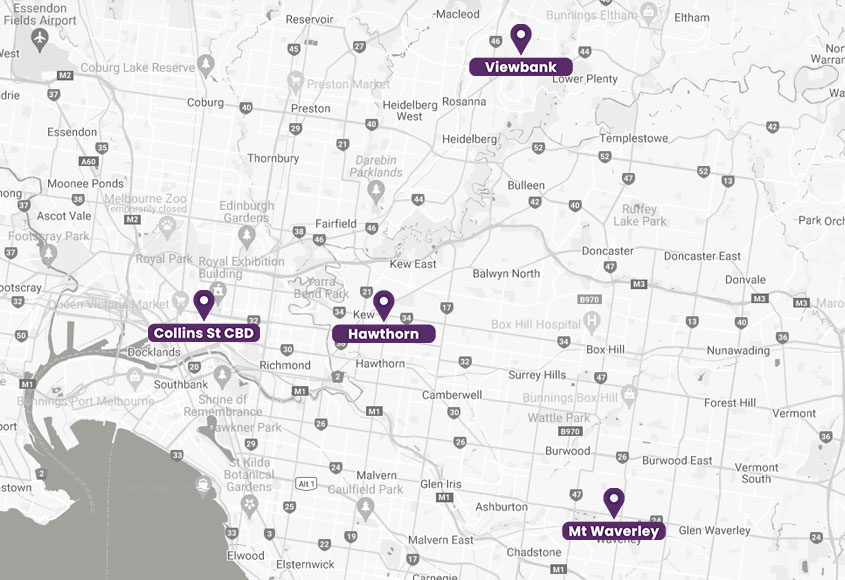
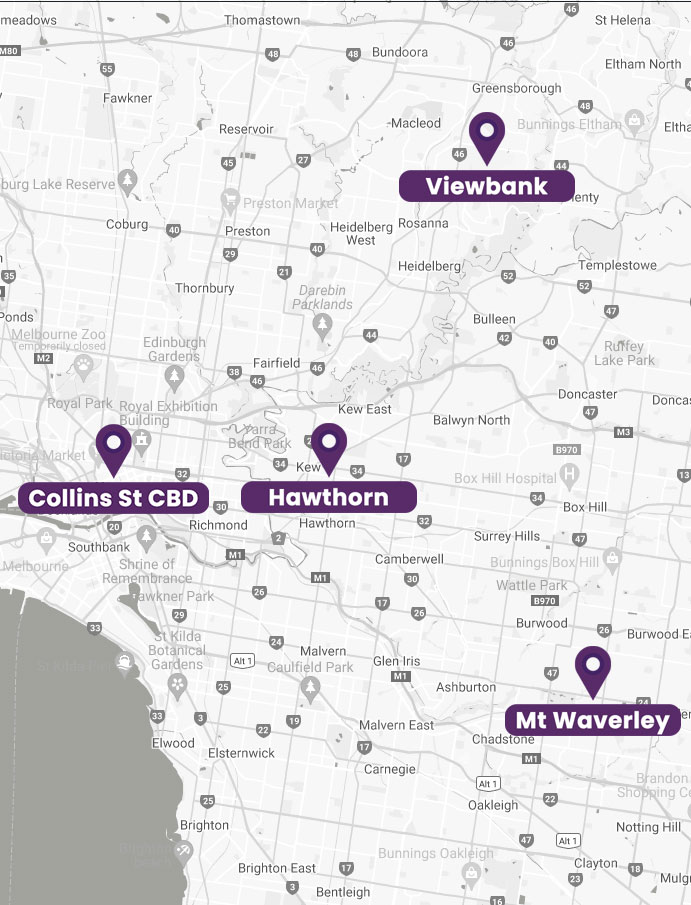
Ready to find out which treatment is right for your skin? Book a complimentary skin analysis with the team at Victorian Laser and Skin Clinic. Whether you are exploring microdermabrasion in Melbourne for the first time or ready to progress to a peel programme, our clinicians across Melbourne CBD, Hawthorn, Mount Waverley, and Viewbank will assess your skin and build a personalised plan. Learn more about our microdermabrasion treatments, our Skinstitut chemical peels, or explore our full range of cosmetic injectables and skin services.