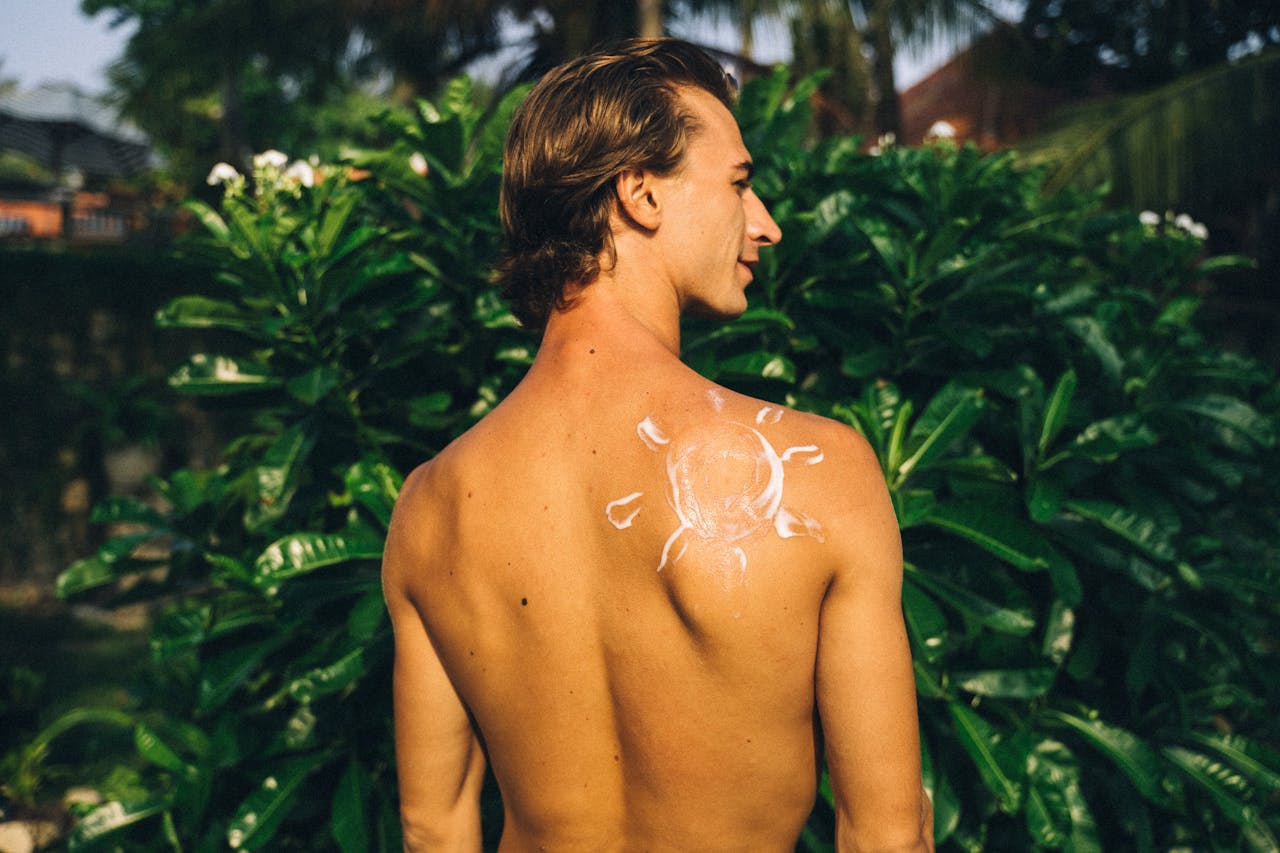
They appear slowly and quietly. A flat, brown mark on the back of your hand. A cluster on your cheek. A darker patch on your chest that was not there a few years ago. Sun spots and age spots are one of the most common skin concerns people notice as they move through their thirties, forties, and beyond, and they are particularly prevalent in Australia, where UV exposure is higher than almost anywhere else in the world.
The good news is that these spots are entirely benign. They are not painful, they are not precancerous, and they do not require medical treatment. But for the many people who find them frustrating to live with, and who have already tried the brightening creams without lasting results, professional skin treatments offer a genuinely effective path to clearer, more even-toned skin.
This guide covers what sun spots and age spots actually are, why topical products often fall short, and how professional laser pigmentation removal works to target them at the source
What Are Sun Spots and Age Spots?
The terms sun spot and age spot are often used interchangeably, and for good reason: both refer to the same thing. The clinical name is solar lentigo (plural: solar lentigines). According to DermNet NZ, a peer-reviewed dermatology resource, solar lentigines are flat, well-circumscribed patches resulting from exposure to UV radiation, which causes localised proliferation of melanocytes and an accumulation of melanin in the skin cells (source: dermnetnz.org/topics/solar-lentigo).
They range in colour from light tan to dark brown, can be a few millimetres to several centimetres across, and most commonly appear on areas that receive the most sun exposure: the face, the backs of the hands, the shoulders, the chest, and the forearms. They tend to increase in number and darken over time, particularly without sun protection.
It is worth noting that solar lentigines are distinct from freckles (ephelides), which are genetically influenced, lighter, and typically fade in winter. Age spots do not fade seasonally. Once they form, they tend to remain without professional treatment.
Important: Before pursuing any laser or light treatment, it is worth having any new or changing skin lesions assessed by your GP or dermatologist to rule out conditions that require medical attention, such as melanoma. Not all dark spots are sun spots.
In Australia, the Cancer Council notes that Australia has one of the highest rates of UV-related skin damage in the world, partly due to our geographic position, outdoor culture, and historically low awareness of daily sun protection (source: www.cancer.org.au). This means that sun spots and age spots are an extremely common concern at Melbourne skin clinics, and many people begin noticing them earlier than they might expect.
Why Topical Creams and Serums Often Fall Short
Walk into any pharmacy or browse any skincare website and you will find a long list of products promising to lighten, fade, or even out skin pigmentation. Many of these include genuinely active ingredients, niacinamide, kojic acid, vitamin C, tranexamic acid, and alpha-arbutin, among them, and these ingredients do have a place in a good skincare routine.
The limitation is reached. Topical ingredients work primarily at the surface layers of the skin. They can help interrupt new melanin production, support gentle exfoliation, and brighten the overall complexion. But established solar lentigines have settled into the deeper layers of the epidermis, and in some cases, the upper dermis. A cream applied to the surface of the skin simply cannot penetrate deeply enough to clear what is already there.
Results from topical treatments, where they occur at all, tend to be gradual, require ongoing use to maintain, and rarely produce the same degree of improvement as a professional treatment. For patients who want meaningful, lasting change rather than subtle maintenance, professional skin treatment is where the real difference happens.
Surface-level treatments such as microdermabrasion can support brightening and improve the absorption of active skincare products, but for established pigmentation, they are best used as part of a broader maintenance plan rather than a standalone solution.
How Laser Treatment Removes Sun Spots and Age Spots
Laser pigmentation treatment works at the cellular level. A medical-grade laser emits precise pulses of light that are selectively absorbed by the darker melanin in the pigmented spots. The surrounding skin, which does not have the same concentration of melanin, is left unaffected.
Once absorbed, the laser energy heats and shatters the pigment particles into smaller fragments. The body then processes these fragments in one of two ways: they are either absorbed and cleared by the lymphatic system as waste, or they migrate toward the surface of the skin where they dry and flake off naturally during the skin’s own renewal cycle. Over the days and weeks that follow a treatment, the area gradually lightens to reveal a more even tone.
At Victorian Laser & Skin Clinic, targeted laser pigmentation treatment is performed using medical-grade equipment by experienced clinicians. Treatment areas include the face, neck, chest, backs of the hands, shoulders, and forearms, covering the areas most commonly affected by sun-related pigmentation.
Most patients with sun spots or age spots require between two and four sessions, spaced four to six weeks apart, to achieve their desired result. Initial lightening is often visible within one to two weeks of the first session.
Is PicoSure better for deeper or more stubborn age spots?
For some patients, standard laser treatment addresses their pigmentation comprehensively. For others, particularly those with deeper or older age spots, more complex pigmentation such as melasma, or mixed pigmentation across multiple layers of the skin, PicoSure may be recommended as the more appropriate technology.
The PicoSure laser fires in picoseconds, 1,000 times faster than traditional nanosecond laser systems. This speed shifts the mechanism from primarily heat-based to primarily photomechanical, shattering pigment into finer particles with less thermal energy delivered to the surrounding tissue. It is available at Victorian Laser & Skin Clinic’s Mt Waverley clinic and may require fewer sessions for certain pigmentation types.
Complementary Treatments That Support Your Results
Laser pigmentation removal does not have to work in isolation. Depending on your skin’s needs and your broader treatment goals, several complementary in-clinic treatments can enhance your results or support your skin between sessions.
Skin needling
Skin needling (also known as collagen induction therapy) stimulates the skin’s natural healing response and promotes the production of collagen and elastin. When used between laser sessions, it can improve overall skin texture and tone, complementing the pigmentation reduction achieved by laser. Your clinician can advise on the best timing relative to your laser programme.
LED light therapy
After a laser session, the skin benefits from treatments that support its natural healing process. LED light therapy is a non-invasive, zero-downtime treatment that uses specific light wavelengths to reduce inflammation and promote cellular repair. It is a gentle, effective complement to laser treatment.
A note on cosmetic injectables
For patients interested in a more comprehensive approach to facial rejuvenation, Victorian Laser & Skin Clinic also offers a full range of cosmetic injectable treatments, including anti-wrinkle injections and dermal filler. Addressing pigmentation alongside fine lines and volume loss can create a more complete rejuvenation outcome.
Pre-Treatment and Aftercare: What You Need to Know
Before your treatment
At your first visit, a consultation and patch test are completed before any treatment begins. This allows the clinician to assess your skin type, the nature and depth of your pigmentation, and select the appropriate settings for your treatment. You will also complete a medical questionnaire covering your skin history and any medications or health conditions that may be relevant.
In the weeks leading up to treatment, avoid prolonged sun exposure and do not use tanning beds or self-tanning products.
After your treatment
Following your laser session, keep the skin clean using a gentle, non-active cleanser and cool water. Apply moisturiser and avoid any direct sun exposure. If going outdoors, wear a wide-brimmed hat and apply a broad-spectrum SPF 30+ sunscreen, reapplying hourly in direct sun.
Avoid exfoliating products, chemical peels, and active skincare ingredients such as retinol or acids in the days immediately following each session. These can irritate the skin while it is in the process of healing and pigment clearance.
Results improve progressively across the treatment course and in the weeks following each session. For a full breakdown of the results timeline, read our guide on what results to expect and when.
How Long Before You See a Difference?
Most patients begin to notice visible fading within one to two weeks of their first session. Results continue to develop over the treatment course, with the most significant improvement typically visible after the second or third session.
Factors such as the depth and age of the pigmentation, skin type, UV exposure between sessions, and overall skincare routine all influence the speed and extent of results. Some sun spots respond quickly; others, particularly those that have been present for many years, require a full course of treatment to clear significantly.
For more detail on what drives results and how to support your outcomes between sessions, see our guide on laser pigmentation results timelines. And if freckles rather than sun spots are your primary concern, our article on comparing freckle removal options covers the full breakdown of available treatments.
Take the Next Step Towards Clearer Skin
Sun spots and age spots are one of the most treatable skin concerns seen at professional skin clinics. With the right technology and a consistent treatment plan, significant improvement is achievable for most patients.
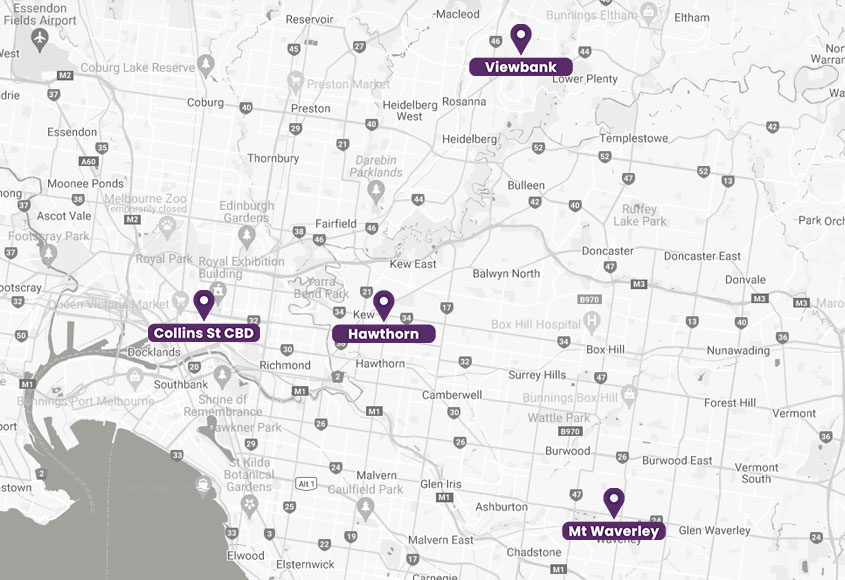
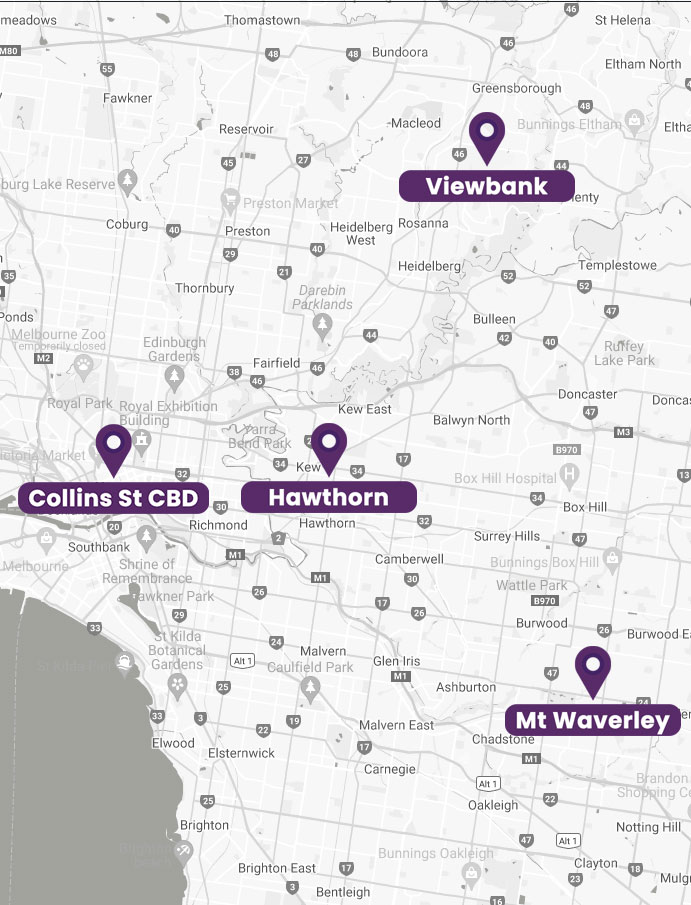
Victorian Laser & Skin Clinic offers complimentary skin consultations across our Melbourne clinics in Collins Street CBD, Hawthorn, Mt Waverley, and Viewbank. Book your consultation to receive a personalised treatment plan from an experienced clinician.