It is the question almost every patient asks before they begin: when will I actually see a change? It is a fair question, and the honest answer is that it depends on a few things. But here is what most patients are glad to hear: the process usually starts sooner than they expected.
For those who have been living with persistent pigmentation, sun spots, freckles, or uneven skin tone for years, it can feel difficult to believe that real change is possible. But for the vast majority of people who undergo professional laser pigmentation treatment, visible improvement begins within the first two weeks. The bigger question is not whether it works, but understanding how it works, what affects the pace of improvement, and what you can do to support the process.
This guide walks through everything you need to know, from what happens to your skin during and after a session, to the week-by-week changes you can expect, through to how long results actually last. If you are weighing up which treatment is right for your skin, our comparison guide on freckle removal options in Melbourne and our article on treating sun spots and age spots are a good place to start.
What Actually Happens to Pigmentation During a Laser Session?
Understanding the process makes the results much easier to interpret, especially in the first week after treatment when the skin can look different to what you might expect.
When a medical-grade laser is applied to a pigmented area, it emits precise pulses of light that are absorbed selectively by the melanin in the pigmented cells. The surrounding skin, which has a different melanin concentration, is not affected. The laser energy heats and shatters the pigment particles into much smaller fragments.
From there, the body takes over in one of two ways: the fragmented pigment is either absorbed and cleared by the lymphatic system as cellular waste, or it migrates toward the surface of the skin where it dries and naturally flakes away as the skin completes its own renewal cycle. This is the mechanism behind how the laser targets pigmented areas and why the results develop progressively rather than instantly.
One important thing to know: treated spots may appear slightly darker in the days immediately after treatment. This is a completely normal and expected response, not a sign of damage. It indicates that the laser has engaged the pigment, and it will resolve as the skin heals.
Week-by-Week: What to Expect After Your First Session
Here is a realistic timeline based on what most patients experience following a standard laser pigmentation treatment.
| Timeframe | What to Expect |
| Days 1 to 3 | Some redness and warmth are normal immediately following treatment. The treated areas may appear slightly raised or darker in colour. There may be very mild swelling around individual spots. Keep the skin clean, apply the recommended moisturiser, and avoid direct sun exposure. Do not pick, scratch, or rub the treated areas. |
| Days 4 to 10 | The pigmented spots typically darken further before they begin to fade. This is the most common point at which patients become concerned, but it is a positive sign. The body is processing the shattered pigment particles and moving them toward the surface. Smaller, more superficial spots may begin to flake away naturally. Continue to avoid exfoliating treatments, acids, and retinols during this phase. |
| Days 10 to 14 | The skin begins to visibly clear. Flaking resolves and the treated areas start to reveal lighter skin beneath. For patients with surface-level, sun-induced freckles or mild spots, the difference can be quite striking at this stage. For deeper pigmentation, the change may be more gradual. |
| Weeks 2 to 4 | The skin continues to regenerate and the full extent of results from the first session becomes clearer. Any redness that was present has typically resolved completely by this point. Collagen renewal is occurring beneath the surface, contributing to improved skin texture alongside the pigmentation improvement. |
| After 4 weeks | The skin has healed from the first session and is typically ready for the next treatment. Most laser pigmentation programmes recommend spacing sessions four to six weeks apart. This interval allows the skin to complete its natural healing cycle before the next round of treatment. |
How Many Sessions Will You Need?
The number of sessions required varies depending on the type, depth, and age of the pigmentation, as well as individual skin factors. As a general guide:
- Mild freckles and recently formed sun spots: 2 to 3 sessions for most patients
- Established age spots and moderate sun damage: 3 to 4 sessions in most cases
- Deeper or older pigmentation, including long-standing solar lentigines: 4 to 6 sessions or more
- Complex pigmentation such as melasma: variable, and often better suited to more advanced technology such as PicoSure
Your clinician at Victorian Laser & Skin Clinic will assess your progress at each session and adjust the treatment plan as needed. There is no predetermined schedule that applies to every patient: the approach is tailored to how your skin is responding.
For patients with stubborn or deep pigmentation, the PicoSure technology available at the Mt Waverley clinic may be recommended. PicoSure fires in picoseconds, 1,000 times faster than conventional nanosecond lasers, and uses photomechanical rather than primarily thermal energy to shatter pigment. This can be more effective for complex or resistant pigmentation, and in some cases reduces the number of sessions required.
Five Factors That Affect How Quickly You See Results
1. The type and depth of your pigmentation
Surface-level, UV-triggered freckles and recently formed sun spots tend to respond the fastest. They sit closer to the surface of the skin and the laser can reach and shatter them more easily. Solar lentigines that have been present for many years, or pigmentation that has settled into the deeper layers of the epidermis, require more sessions and more time between sessions for the body to clear the fragmented pigment. According to a systematic review published in the National Library of Medicine, laser-based treatments are among the most effective therapeutic options for solar lentigines, particularly when combined with consistent photoprotection.
2. Your skin type and tone
Patients with lighter skin types often see faster visible results because the contrast between the treated pigmentation and the surrounding skin is more pronounced. Patients with medium to deeper skin tones can achieve excellent results, but treatment settings need to be carefully calibrated to minimise the risk of post-inflammatory hyperpigmentation. This is precisely why a consultation and patch test are essential before any treatment begins. Victorian Laser & Skin Clinic’s clinicians are experienced in treating a range of skin tones and will adjust settings accordingly.
3. Sun exposure between sessions
This is the single biggest factor within a patient’s control, and it is worth taking seriously. UV exposure after a treatment session can stimulate fresh melanin production in the treated areas, counteracting the improvement that the laser has achieved. This is why consistent, daily SPF 30+ sunscreen use is considered non-negotiable throughout any pigmentation treatment programme, not just on sunny days. Melbourne’s UV index remains at a level requiring sun protection on most days throughout the year (source: www.arpansa.gov.au).
4. Your skincare routine between sessions
A supportive homecare routine does not accelerate the laser’s action, but it does help maintain an optimal skin environment for healing and regeneration. Use a gentle, non-abrasive cleanser, apply a quality moisturiser daily, and prioritise broad-spectrum SPF. Active ingredients such as vitamin C or niacinamide can support a more even skin tone over time, but should only be reintroduced once the skin has fully healed after each session, generally after about one week.
5. Complementary in-clinic treatments
Patients who incorporate complementary treatments between laser sessions sometimes notice enhanced results in overall skin texture and tone. Skin needling stimulates collagen production and supports skin renewal, while LED light therapy can reduce inflammation and support healing in the days following a laser session. Your clinician can advise on the best approach for your individual skin.
How Long Do Laser Pigmentation Results Actually Last?
It would be misleading to promise that laser pigmentation results are permanent in every case, because the honest answer is more nuanced than that.
For patients with straightforward, UV-induced freckles or sun spots who maintain diligent sun protection after treatment, results can last for several years. Many patients go a considerable time without needing a follow-up session. But melanin-producing cells (melanocytes) are still present in the skin after treatment, and they can be reactivated by ongoing sun exposure, hormonal changes, or the natural ageing process. New pigmentation can form over time.
The most important thing you can do to extend your results is consistent sun protection. This means SPF 30 or higher applied every morning, reapplied if you are spending time outdoors, and worn year-round regardless of cloud cover. For broader skin health maintenance, some patients also find that periodic treatments such as RF skin tightening support overall skin quality and slow the visible signs of photoageing over time.
Patients who return for periodic maintenance sessions generally need fewer treatments than their initial course, as they are addressing new pigmentation before it has had time to deepen. Think of it less as a one-time fix and more as a skin health programme.
Supporting Your Results Between Sessions
What you do between appointments matters. Here are the key habits that will help you get the most from your treatment:
- Apply a broad-spectrum SPF 30+ sunscreen every morning without exception
- Wear a wide-brimmed hat and protective clothing when spending time in direct sun
- Avoid heat-based activities such as saunas, steam rooms, and vigorous exercise in the first 48 hours after each session
- Moisturise daily with a gentle, non-active formula to support skin barrier function
- Avoid exfoliants, retinol, acids, and other active ingredients for at least one week after each session
- Consider LED light therapy to support healing and reduce post-treatment inflammation
- Discuss skin needling intervals with your clinician to complement your pigmentation programme
When PicoSure May Deliver Faster Results
For patients whose pigmentation has not responded as expected to standard laser treatment, or who have more complex or deeply seated pigmentation, the PicoSure laser technology available at Victorian Laser & Skin Clinic’s Mt Waverley clinic may be the more appropriate option.
PicoSure works differently to conventional laser in one key way: it delivers energy in picoseconds rather than nanoseconds, 1,000 times faster. This shift in pulse duration changes the mechanism of action from primarily thermal (heat-based burning of pigment) to primarily photomechanical (pressure-based shattering of pigment). The result is finer pigment fragments, less thermal damage to surrounding tissue, and in many cases, fewer sessions required to achieve a comparable outcome.
It is also suited to patients with mixed pigmentation concerns, since PicoSure’s capacity to stimulate collagen and elastin production means it offers broader skin rejuvenation benefits alongside targeted spot removal.
Ready to Begin?
Laser pigmentation results are real, measurable, and achievable for most patients. Understanding the timeline and the factors that influence it puts you in the best position to approach treatment with realistic expectations and to give yourself the best possible outcome.
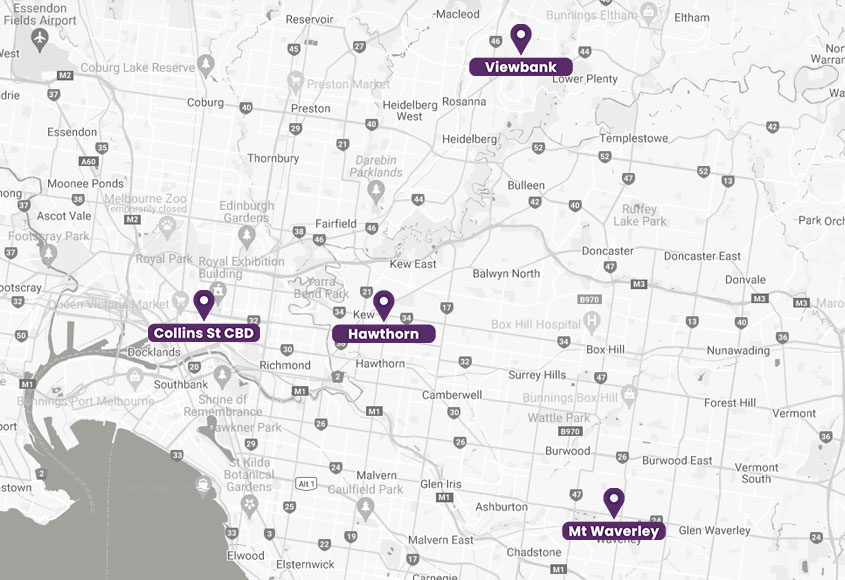
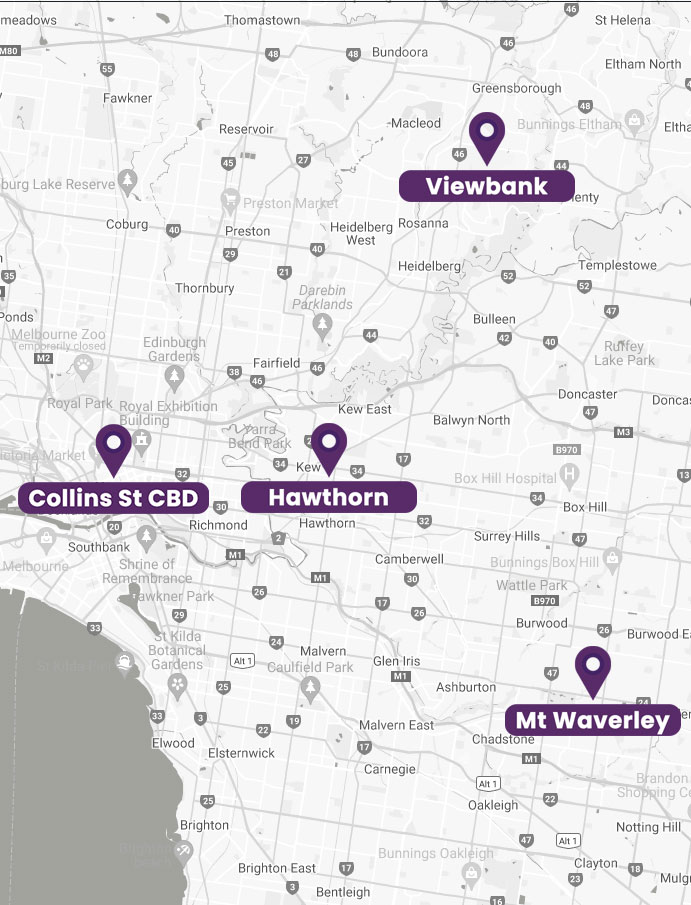
Victorian Laser & Skin Clinic has been providing professional skin treatments since 1999. Book a complimentary consultation at one of our four Melbourne clinics and receive a personalised assessment and treatment plan from an experienced clinician. Learn more about our laser pigmentation removal treatments or get in touch to book your appointment today.