Freckles are harmless. Most people know that. But for those who have watched the same cluster of spots deepen with every summer, only to find that no amount of SPF, vitamin C serum, or brightening cream makes a lasting difference, the conversation tends to shift pretty quickly from acceptance to action.
If you have been researching your options and keep landing on the same three names: laser, IPL, and PicoSure, you are not alone. These are the most widely used professional treatments for laser pigmentation removal in Melbourne, and while they all target the same thing (excess melanin in the skin), they do not all work the same way.
This guide breaks down exactly how each technology works, which types of freckles each one is best suited to, and what to expect if you choose to pursue treatment. If you are ready to understand the difference before booking a consultation, you are in the right place.
What Are Freckles, and Why Do Some Fade While Others Stay?
Not all freckles behave the same way, and the difference matters when it comes to choosing a treatment. Dermatologists generally divide them into two categories: ephelides and solar lentigines.
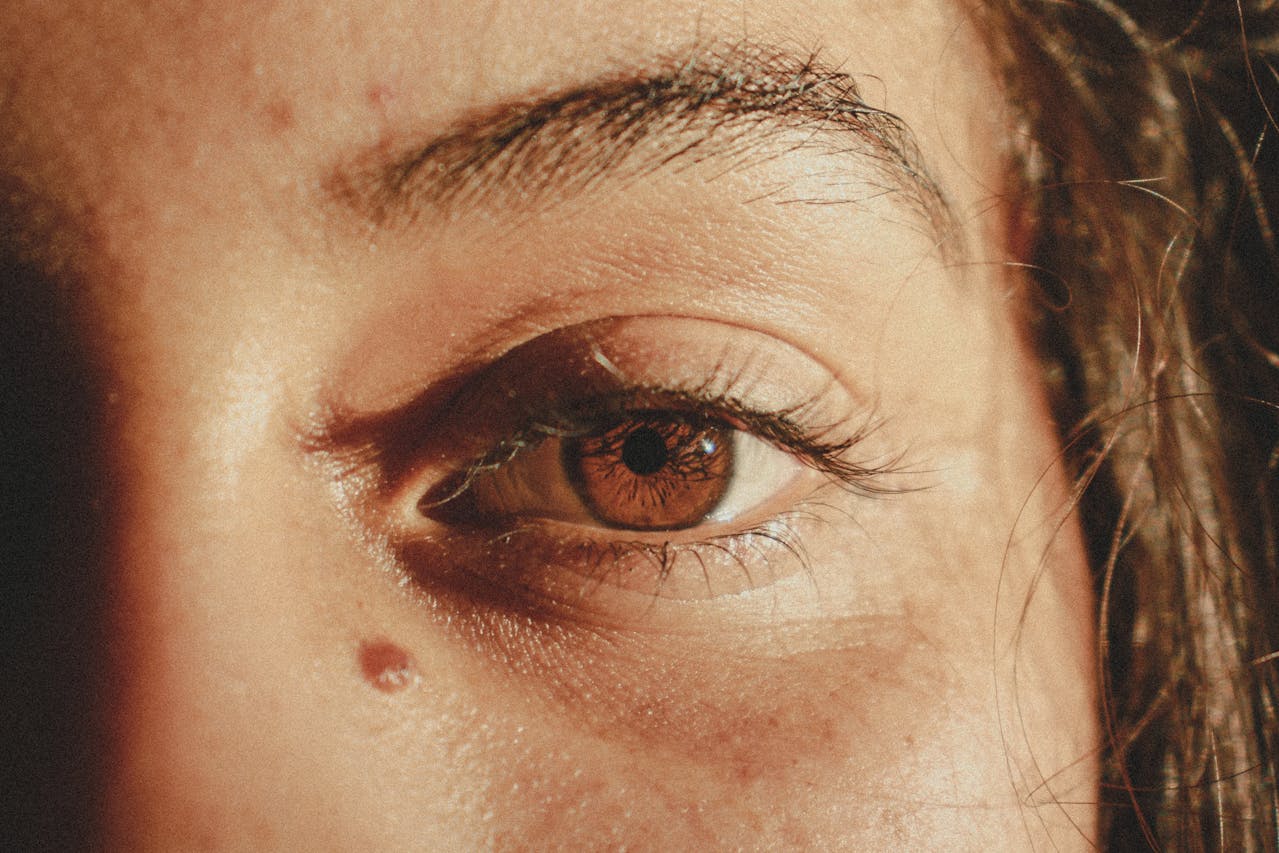
Ephelides are the lighter, smaller spots that tend to appear in childhood or adolescence, particularly in people with fair skin or red hair. They are influenced heavily by genetics and become more visible after sun exposure, fading again in winter. These are the freckles that often feel like part of a person’s identity.
Solar lentigines, on the other hand, are a different story. Also referred to as sun spots or age spots, they develop from cumulative UV exposure over time. Unlike ephelides, they do not fade seasonally. Once they appear, they tend to stay, because the pigment has settled into the deeper layers of the skin. Research published in the National Library of Medicine confirms that picosecond laser technology is particularly effective for these deeper, more stubborn forms of pigmentation because it uses ultra-short pulses to target melanin with greater precision than earlier laser systems.
Australia’s UV environment also plays a significant role. The Australian Radiation Protection and Nuclear Safety Agency (ARPANSA) notes that Australia experiences some of the highest UV radiation levels in the world, which accelerates both the formation and the deepening of pigmented lesions (source: www.arpansa.gov.au). Understanding which type of freckle you are dealing with is the first step in finding the right treatment.
Laser Treatment for Freckles: Targeted, Precise, and Effective
Medical-grade laser treatment is considered one of the most effective professional options for freckle removal, particularly for solar lentigines and more established pigmentation. At Victorian Laser & Skin Clinic, treatments are performed using medical-grade laser technology that emits precise pulses of light absorbed selectively by the pigmented cells in the skin.
Because the surrounding skin does not absorb the laser light (it lacks the same melanin concentration), the treatment is highly targeted. The laser energy heats and shatters the pigment particles, which the body then eliminates as cellular waste or which migrate to the surface of the skin, dry, and flake away as the skin heals.
What to expect from a laser treatment
Most treatment sessions take between 15 and 40 minutes, depending on the area being treated. The sensation is commonly described as a mild snapping or flicking against the skin, similar to a rubber band. A topical anaesthetic is available for those who prefer additional comfort.
Redness or slight warmth immediately after treatment is normal and typically resolves within a few hours. For most patients, laser pigmentation treatment requires between two and six sessions, spaced four to six weeks apart, with initial fading often visible within one to two weeks of the first session.
IPL for Freckles: A Broader Treatment Across the Skin
Intense Pulsed Light, or IPL, is often grouped with laser treatments, but it operates quite differently. Rather than emitting a single, focused wavelength of light, IPL delivers a broad spectrum of light across the treatment area. This broader action means it can address multiple concerns simultaneously: pigmentation, mild redness, uneven tone, and general skin dullness.
For those with a large area of general sun damage or scattered, surface-level freckles rather than isolated, darker spots, IPL can be a practical option. It is particularly effective for lighter ephelides and mild pigmentation across the face, chest, and decolletage.
The tradeoff is precision. Because IPL casts a wider net, it is less targeted than laser for isolated dark spots or deeper pigmentation. Clinical comparison studies, including research reviewed in peer-reviewed dermatology literature, suggest that while IPL is effective for surface-level freckles and lentigines in lighter skin types, focused laser technology tends to outperform it for darker or deeper pigmented lesions.
If an overall improvement in skin tone is what you are looking for alongside freckle reduction, a carbon laser facial is another option worth exploring for brightening and surface-level skin refinement.
PicoSure: The Next Generation of Pigmentation Treatment
PicoSure represents a significant step forward in laser pigmentation technology. It is the world’s first picosecond aesthetic laser platform, available at Victorian Laser & Skin Clinic’s Mt Waverley location.
The difference lies in how it delivers energy. While traditional nanosecond lasers fire in billionths of a second, PicoSure fires in picoseconds: trillionths of a second. That is 1,000 times faster. The speed matters because it shifts the mechanism from primarily thermal (heat-based) to primarily photomechanical. Rather than burning the pigment away, PicoSure shatters it into much finer particles that the body can clear more easily, with less heat delivered to the surrounding tissue.
This makes PicoSure particularly well-suited to:
- Stubborn or deeper pigmentation that has not fully responded to standard laser treatment
- Melasma or complex mixed pigmentation
- Patients with a broader range of skin tones who require precise, lower-heat energy delivery
- Patients seeking additional skin rejuvenation benefit alongside spot removal, as PicoSure also stimulates collagen and elastin production
Beyond pigmentation, the PicoSure treatment can also improve acne scarring, skin texture, and overall tone, making it a versatile choice for patients with multiple skin concerns.
PicoSure versus standard laser: which is right for you?
Standard medical-grade laser works very well for most straightforward, UV-induced freckles and recently formed sun spots. It is a well-established, effective option with an excellent safety profile. PicoSure tends to be the preferred recommendation for deeper, stubborn, or mixed pigmentation, or where faster results or additional rejuvenation effects are the goal.
The most reliable way to determine which technology is most appropriate for your skin is through a professional skin assessment. Your clinician will consider your skin type, the nature and depth of your pigmentation, and your treatment goals before making a recommendation.
What to Expect at Your First Freckle Removal Appointment
Regardless of which technology your clinician recommends, the process begins the same way. At your first visit to Victorian Laser & Skin Clinic, you will have a thorough skin consultation, complete a medical questionnaire, and undergo a patch test to establish the correct settings for your skin type and pigmentation. No two patients are treated the same.
During treatment, the sensation varies slightly depending on the technology used. Most patients describe the experience as mild and manageable, likened to a warm snap against the skin. Your clinician will guide you through every step.
Immediately after the session, some redness or warmth is normal. You will be advised to apply a gentle moisturiser, avoid the sun, and wear broad-spectrum SPF 30+ sunscreen consistently in the weeks that follow. Sun protection between sessions is critical, as new UV exposure can counteract the treatment’s effects by triggering fresh melanin production.
For a detailed, session-by-session look at what happens to your skin as it heals, take a look at our guide on how long laser pigmentation results take. And if sun spots and age spots are your primary concern rather than freckles, our article on treating sun spots and age spots covers the full picture.
Ready to Find Out Which Option Suits You?
There is no single answer that applies to every person, every freckle type, or every skin tone. The right treatment is the one that matches your skin’s individual needs, and that starts with a conversation.
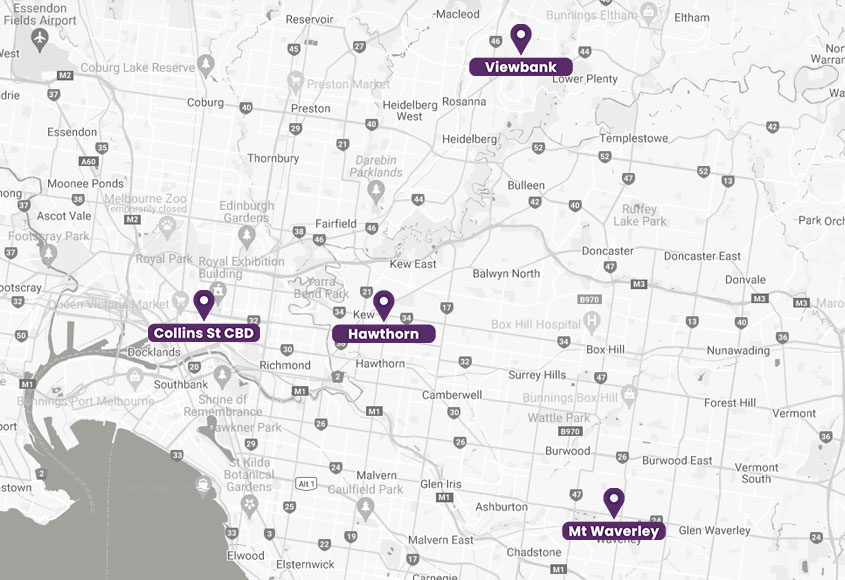
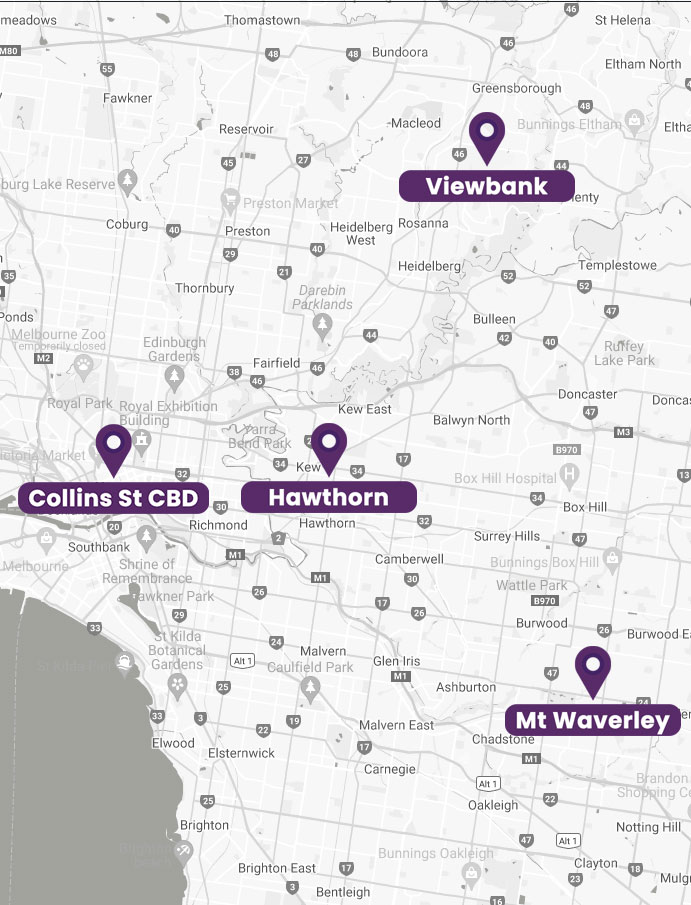
Victorian Laser & Skin Clinic has been providing professional skin treatments since 1999, with experienced clinicians across our four Melbourne locations in Collins Street CBD, Hawthorn, Mt Waverley, and Viewbank. Book a complimentary consultation to find out which approach is right for you.